Trim It or Take It Down? How the Decision Actually Gets Made
Removal is permanent and a mature shade tree takes decades to replace. Here is the framework arborists use to decide whether a tree can be saved.
4 min read
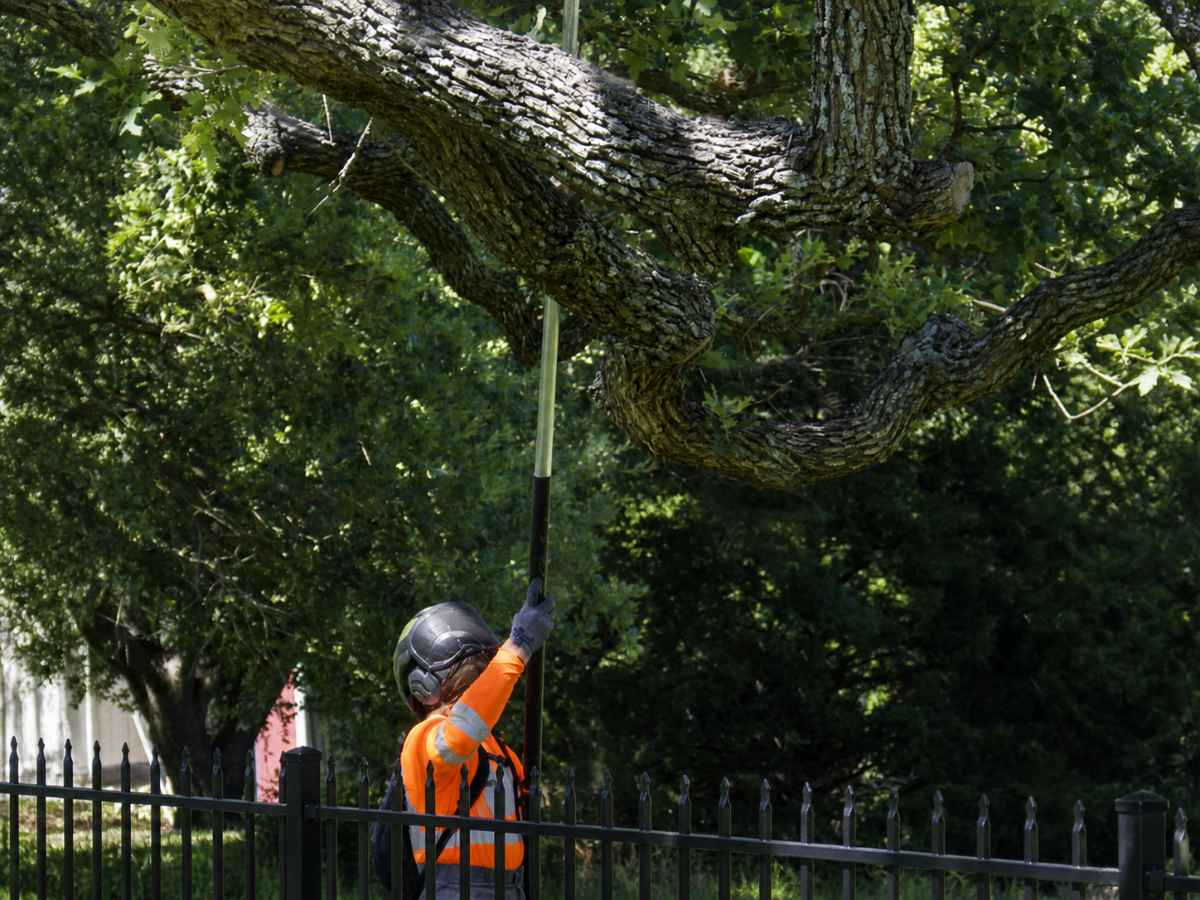
A mature shade tree is worth real money — in summer cooling, in stormwater absorption, and in property value — and it cannot be bought back. Whatever you paid to remove it, you cannot pay someone to put a forty-year-old live oak back on the lot. That asymmetry is why the decision deserves more than a single opinion from whoever is holding the saw.
Arborists tend to work through roughly the same sequence.
1. Is it structurally sound?
This is the question that overrides everything else. A tree can be ugly, badly placed and half the size it should be, and still be perfectly safe. A tree can also look magnificent and be holding on by a shell of sound wood.
The structural red flags are specific:
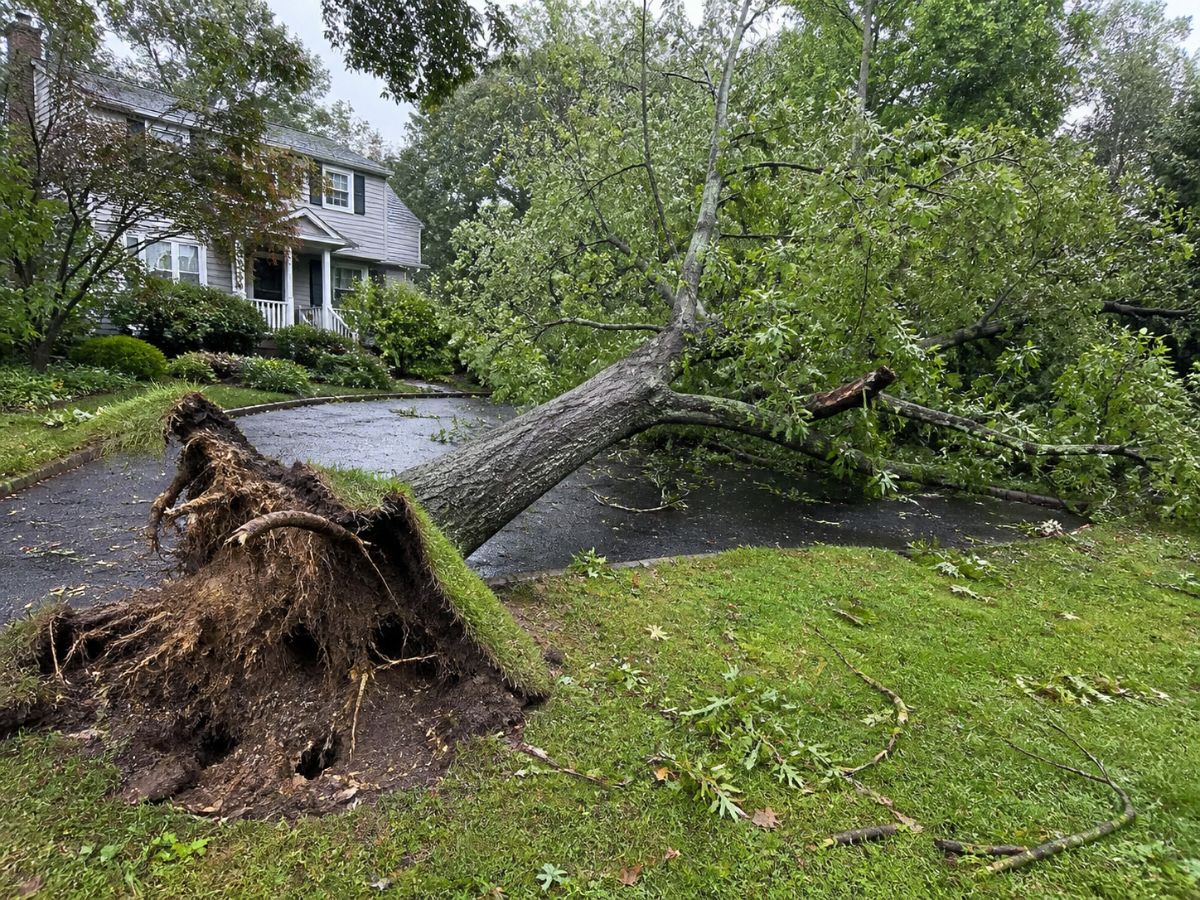
- A lifting root plate — soil heaving on one side of the trunk. This means the tree is already failing. It is not a pruning conversation.
- A large cavity or extensive decay at the base, especially with fungal conks growing out of it. Decay in the buttress roots and lower trunk is the most dangerous kind because that is where the load is highest.
- Codominant stems with included bark — two trunks of similar size forming a tight V, with bark pinched in the union rather than proper wood. These split, often in the first serious storm after the tree gets big enough to matter.
- Cracks that pass through the stem, as opposed to surface bark fissures.
Some of these are fixable. A codominant union on an otherwise healthy tree can often be cabled or reduced. A lifting root plate cannot.
2. How much of the canopy is actually alive?
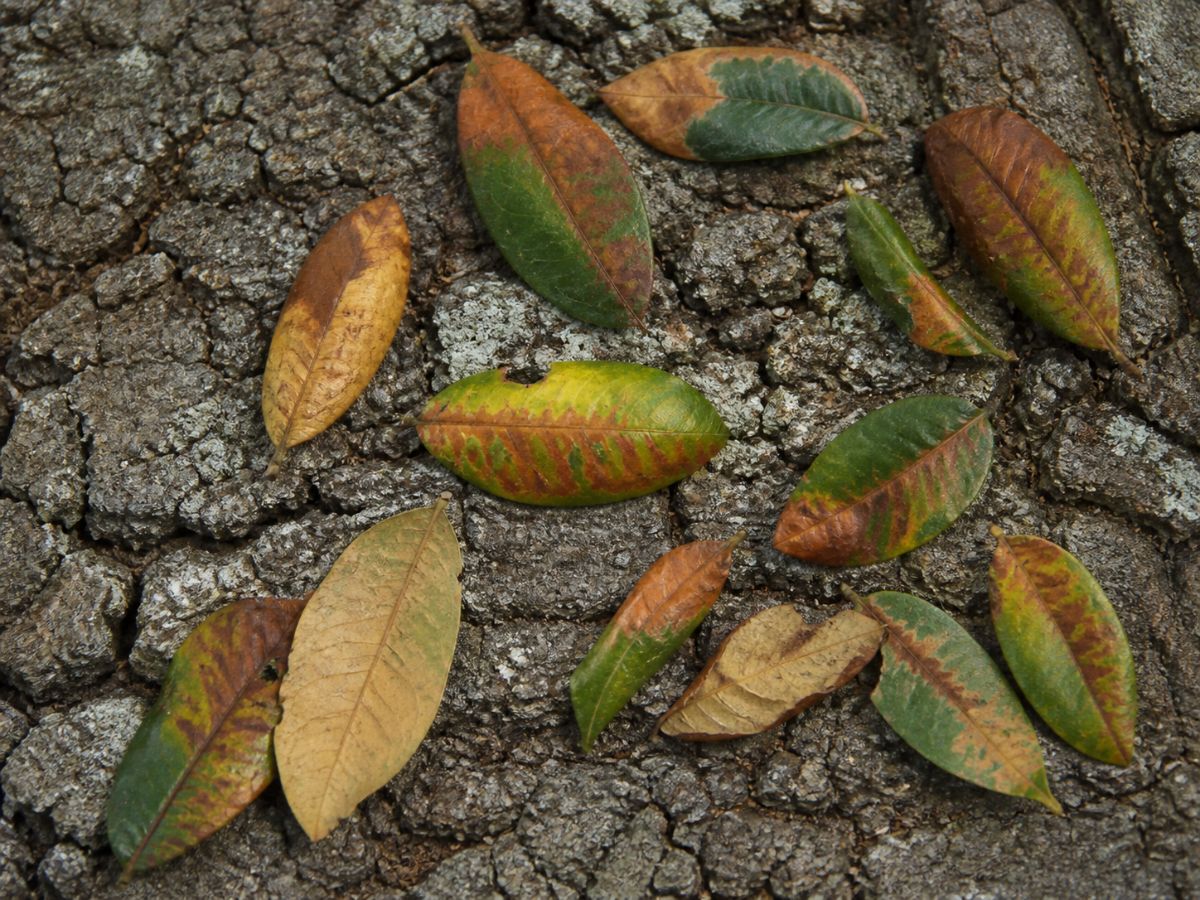
A rough working threshold: if more than about half the canopy is dead, recovery is unlikely and the tree is on a downward path. Below that, dieback is a symptom to diagnose rather than a verdict.
The important question is why it is dying. Girdling roots, soil compaction from construction, grade changes that buried the root flare, drought stress, or a root-rot pathogen all produce similar-looking thin canopies and have completely different prognoses. Two of those are fixable.
3. Where would it land?
A structurally marginal tree in the middle of a back lot, with nothing but grass under it, is a very different risk from the same tree leaning over a bedroom. Arborists call this the target — what the tree would hit if it failed.
This is the factor homeowners most often leave out, and it cuts both ways. It can justify removing a tree that would otherwise be monitored, and it can justify keeping one that looks alarming but threatens nothing.
4. Is the problem going to keep coming back?
Some trees are structurally fine but wrong for the spot: a species that outgrows its space, roots lifting a foundation or a sewer lateral, a canopy permanently in conflict with a service drop. Repeated heavy pruning to keep a tree away from a building is expensive, has to be redone every few years, and is bad for the tree.
At that point removal and replanting with a species suited to the space is usually the better long-run call — even though the tree is healthy.
What "trimming" should and should not mean
If the answer is to keep the tree, be careful what you agree to. Legitimate pruning has defined objectives:
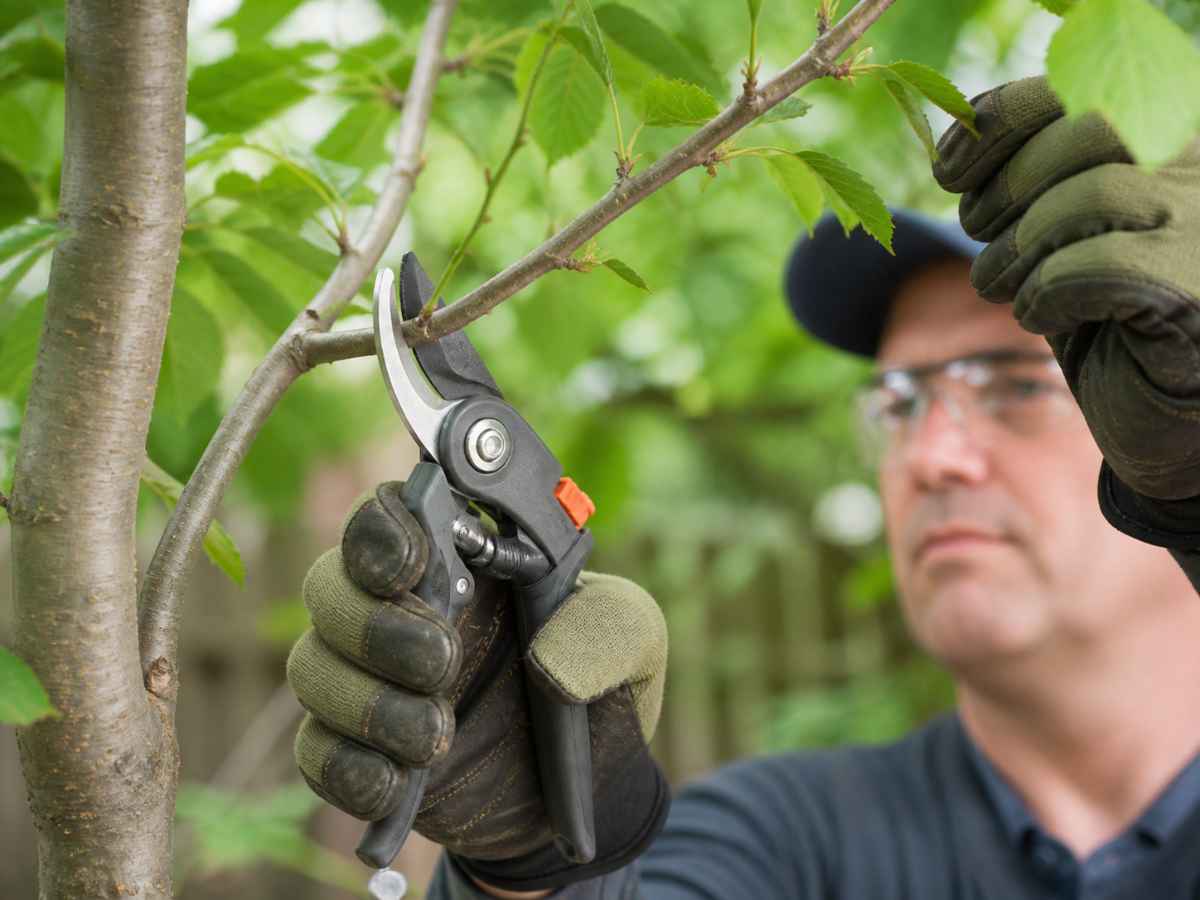
- Crown cleaning — removing dead, diseased and broken branches. Low risk, high value, and the right starting point for most mature trees.
- Crown thinning — selectively removing branches to reduce density. Frequently oversold; done aggressively it does more harm than good.
- Crown reduction — shortening limbs back to appropriate lateral branches to reduce end weight or clear a structure.
- Structural pruning — usually on younger trees, to establish a single dominant leader and avoid the codominant-stem problem before it exists.
The relevant industry standard is ANSI A300, which defines how pruning work should be specified and performed. You do not need to read it, but a company that references it and can describe pruning objectives in these terms is working from a different playbook than one offering to "cut it back".
Getting an honest answer
The structural conflict here is obvious: a company that only does removals earns nothing from telling you the tree is fine. That is not an accusation — plenty of removal crews give honest assessments — but if the stakes are high, an assessment from a certified arborist who is not bidding on the removal is cheap insurance.
If the tree does need to come out, what removal costs explains how the quote is built, and stump grinding versus removal covers what happens to what is left.