What Tree Service Credentials Actually Mean (And Which Ones Don't)
"Certified", "licensed" and "insured" are used loosely in this industry. Here is what each one really signifies and how to verify it in a few minutes.
4 min read
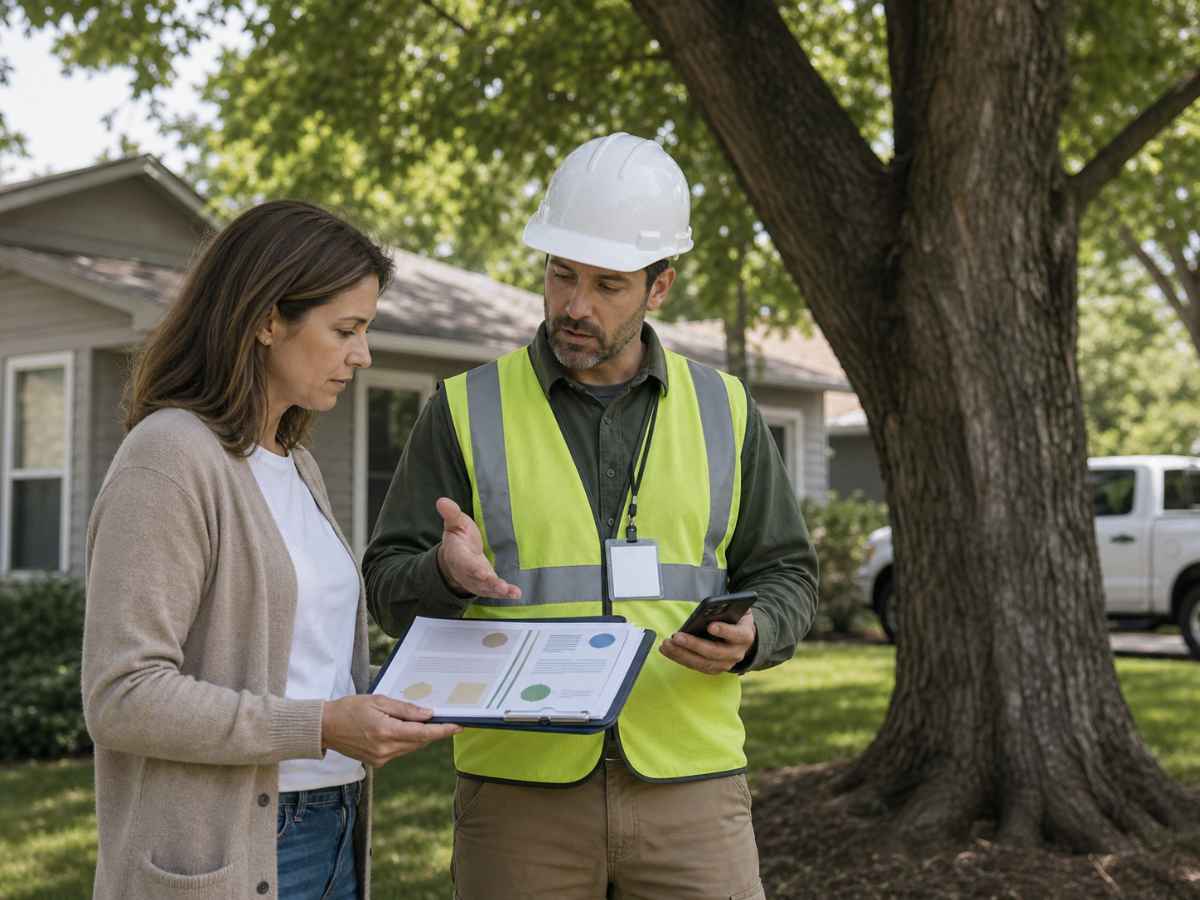
Tree work has low barriers to entry. A truck, a chainsaw and a ladder are enough to start advertising, and after a storm the number of companies working a neighbourhood can double overnight. The words on the side of the truck are not regulated the way they are in electrical or plumbing work, so it is worth knowing which credentials mean something specific.
ISA Certified Arborist — the one that means the most
The International Society of Arboriculture certification is the closest thing to a professional standard in this field. It requires documented experience, a proctored exam covering tree biology, diagnosis, pruning, soil management and safety, and ongoing continuing-education credits to maintain.
Two things worth understanding:
It certifies a person, not a company. "We are ISA certified" is not quite a claim — the right question is who on the crew holds the certification, and whether that person will actually be on your property or is a name in the office. Ask for the certification number.
It is publicly verifiable. The ISA maintains a searchable directory of certified arborists. A certification number that does not come back is a serious problem, and checking takes about a minute.
There are additional ISA credentials worth recognising:
- TRAQ (Tree Risk Assessment Qualification) — specific training in assessing whether a tree is likely to fail and what it would hit. This is the qualification you want if the question is "is this tree dangerous?"
- Board Certified Master Arborist — the highest ISA tier, requiring years of experience beyond the base certification.
- Certified Tree Worker / Climber Specialist — focused on climbing and rigging technique.
Insurance — the one that protects you financially
Two separate policies matter, and they cover different disasters:
General liability covers damage the crew does to your property. A limb through your roof, a dropped stem across a fence.
Workers' compensation covers injuries to their employees. This is the one homeowners overlook and the one with the most exposure. Tree work is consistently among the most dangerous civilian occupations in the United States. If an uninsured crew member is hurt in your yard, you may find yourself the deepest available pocket.
Licensing — the one that varies wildly
There is no federal licence for tree work, and state requirements differ enormously. Some states license arborists directly. Others regulate only the pesticide side, so a company applying treatments needs a licence but one doing pure removal does not. Some require a general contractor's registration; some require nothing at all.
Because of that variation, "licensed" on its own tells you very little. The useful question is "licensed for what, by which board, and under what number?" — and then to check that number against the issuing board's public lookup.
Where a business has supplied verifiable licence details, we show the number and the issuing state directly on its listing. Where we cannot verify a credential, we show nothing rather than a claim we cannot stand behind — an unverified licence displayed as fact is worse than no licence shown at all.
Credentials that sound official but are not
Be alert to phrasing engineered to resemble a credential:
- "Certified" with no issuing body named
- "Licensed and bonded" where bonding is a small surety amount unrelated to the damage a tree crew can do
- "Insured" with no distinction drawn between liability and workers' comp
- Membership in a trade association presented as a qualification. Membership usually means dues were paid. TCIA Accreditation is a meaningful exception — it involves an actual audit of business practices, safety programmes and consumer satisfaction.
The safety standards behind good practice
Two documents govern professional tree work in the US. You will never need to read either, but knowing they exist helps you interpret what you see:
- ANSI A300 — the standard for how tree care operations should be specified and performed.
- ANSI Z133 — the safety standard for the work itself, covering everything from electrical hazard clearances to climbing systems.
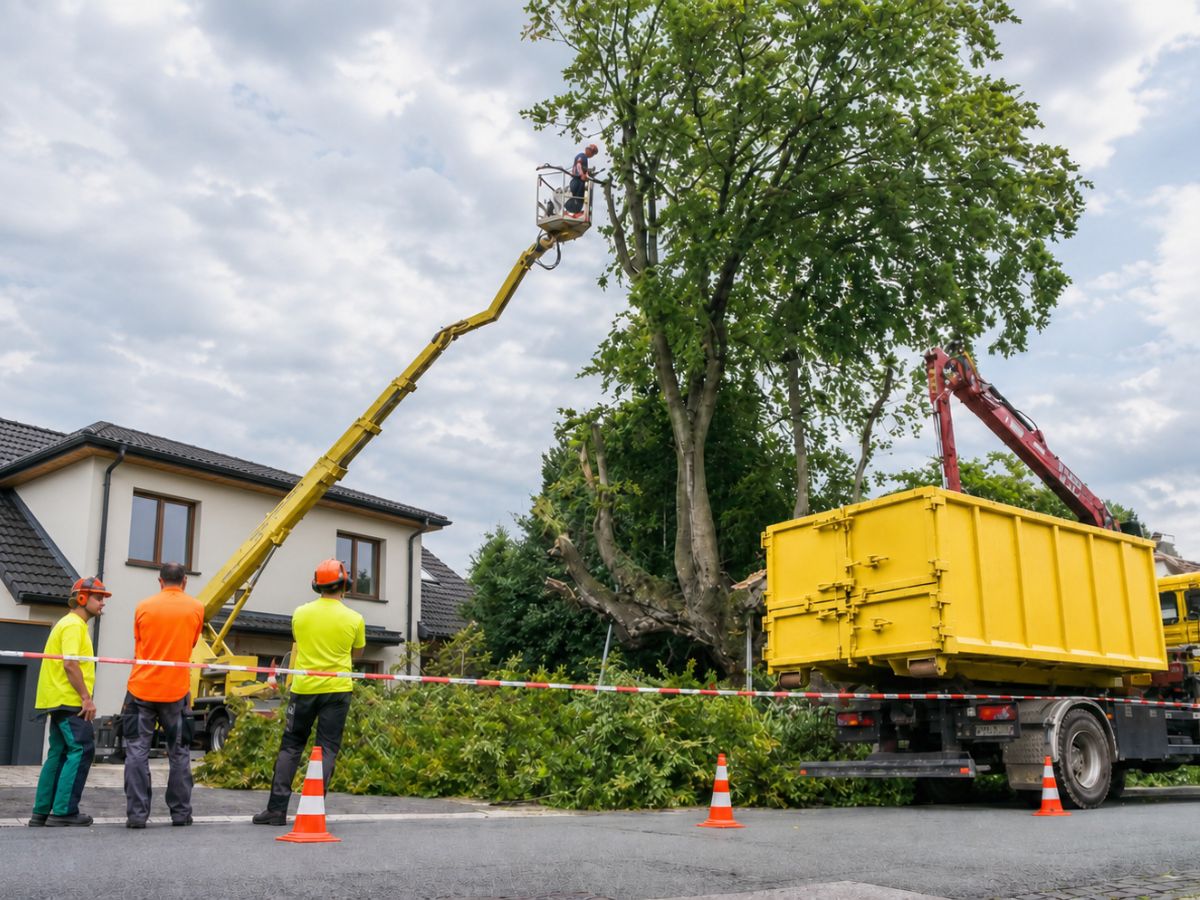
A crew working to Z133 looks different from one that is not: helmets with chin straps, eye and hearing protection, climbers on two points of attachment, a clear drop zone with someone controlling it, and nobody standing under a limb being cut.
A short verification routine
Before signing anything:
- Get the ISA certification number and check it in the ISA's public directory.
- Have the certificate of insurance sent to you directly by their agent — both policies.
- If your state licenses this work, check the number against the issuing board.
- Get the quote in writing and itemised. See what tree removal costs for what should appear on it.
- Ask the questions in this checklist.
Fifteen minutes of checking is proportionate to letting strangers drop heavy things near your house.