When to Prune: Timing That Actually Matters
For most trees, late dormancy is ideal and timing is a preference. For oaks and elms it is a disease-control decision with real consequences.
4 min read
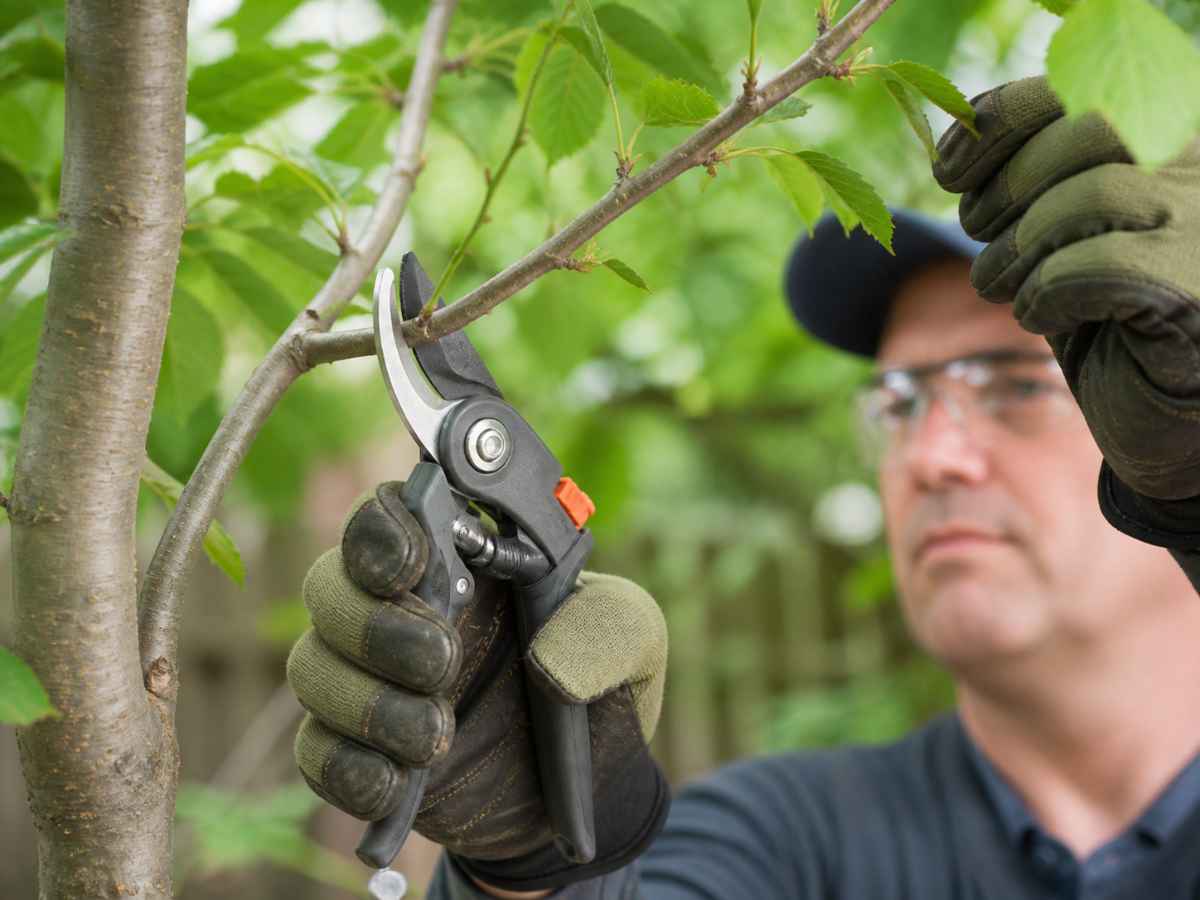
Most pruning advice about timing is soft — a mild preference that will not make much difference either way. A few pieces of it are hard rules where getting it wrong can kill the tree, or the neighbourhood's trees. It is worth knowing which is which.
The default: late dormant season
For most deciduous trees in most of the country, the best window is late winter into early spring, before bud break. Several reasons stack up:
- The structure is visible. Without leaves you can actually see the branch architecture you are making decisions about.
- Wound closure is fastest going into the spring growth flush.
- Most insect vectors and fungal pathogens are inactive.
- The tree is not simultaneously spending energy on leaf-out or fruit.
The hard rule: oaks
This one is not a preference.
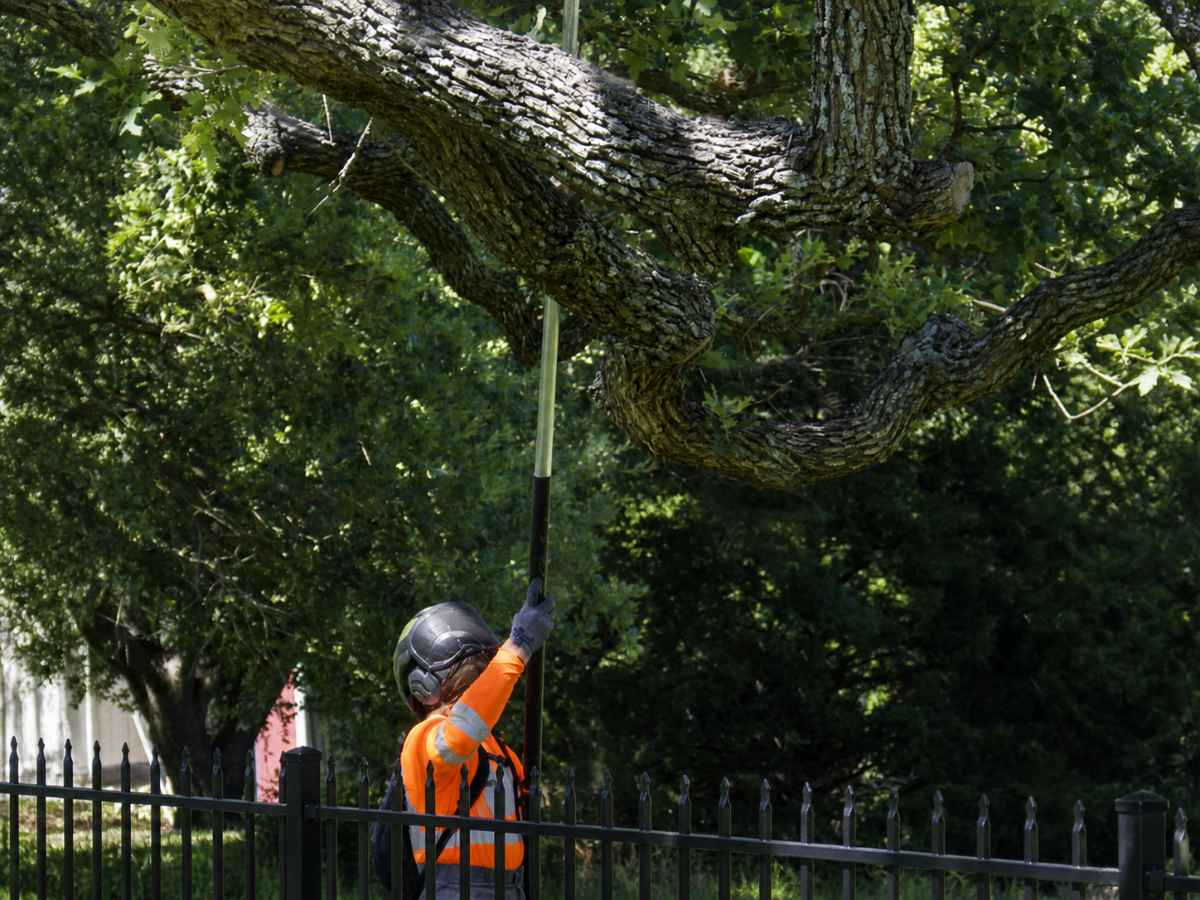
Oak wilt is a fungal disease spread partly by sap-feeding beetles attracted to fresh wounds. Cut an oak during the season those beetles are active, and you have created exactly the entry point the pathogen needs. In affected regions it can move through interconnected root systems and kill entire stands.
Texas A&M Forest Service guidance for Texas is to avoid pruning oaks from February through June, when beetle activity peaks. Other states publish their own windows — the principle is the same but the dates shift with climate, so use your state forest service or extension office's version rather than a generic one.
Elms have a parallel problem with Dutch elm disease and a similar avoid-the-vector-season logic.
Anytime: dead, damaged, diseased
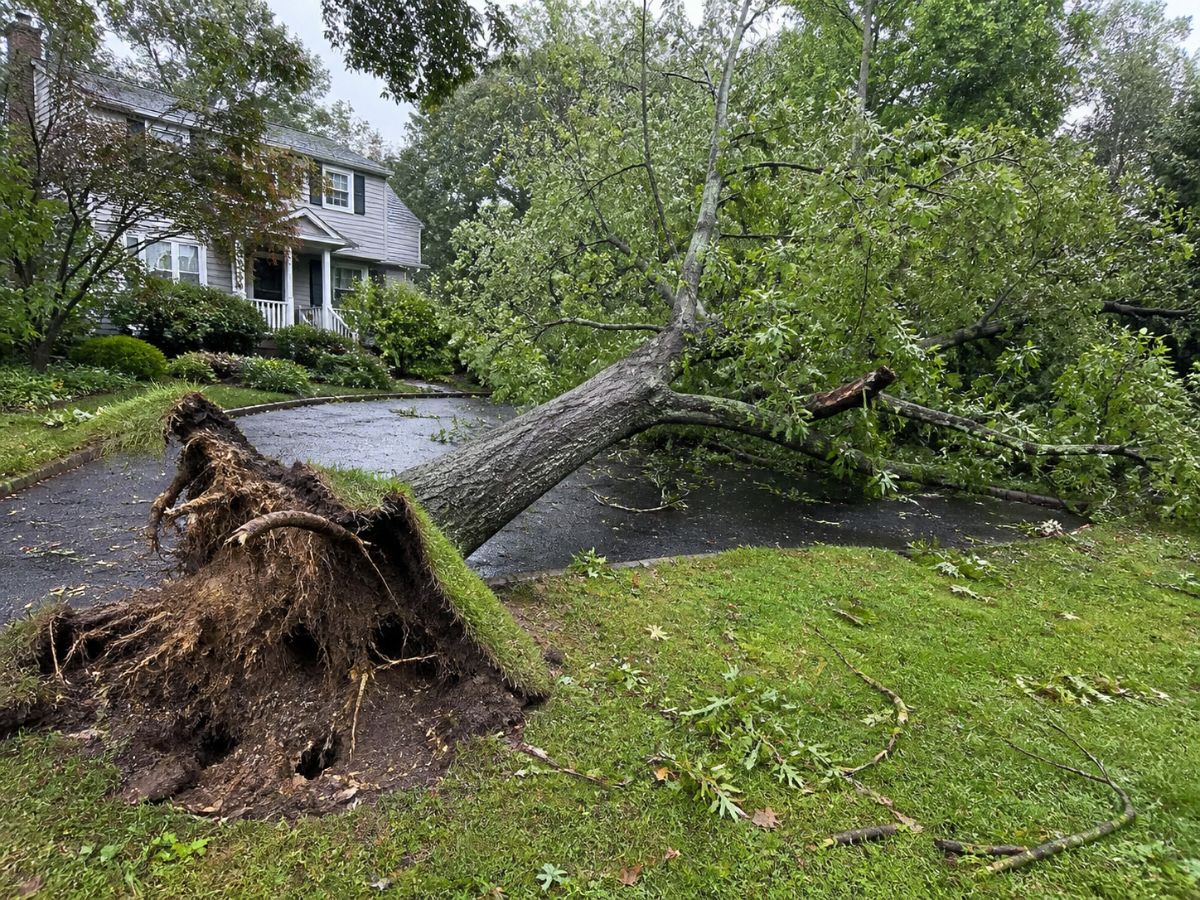
The "three Ds" are exempt from timing considerations. Dead wood, storm-broken limbs and clearly diseased material can come out whenever they are found. There is no benefit to leaving a hanging limb over a driveway until February.
Safety pruning is likewise always in season. If something is a hazard, timing is not the priority.
Times to avoid
Right as the leaves are emerging. The tree has just spent stored energy pushing out new growth and has not yet begun replacing it through photosynthesis. Pruning then is the most expensive moment for the tree.
Late summer into early autumn, in cold climates. Pruning can stimulate a flush of new growth that will not have time to harden off before frost.
Heavy pruning during drought. A stressed tree does not need to also be repairing wounds. Wait, and water it.
Flowering trees are a special case
The rule is about flower buds, not tree health:
- Spring bloomers (dogwood, redbud, most fruit trees, lilac) set their buds the previous summer. Prune in late winter and you cut off this year's flowers. Prune just after they finish blooming.
- Summer bloomers flower on the current season's growth, so late-winter pruning is fine and in fact encourages it.
Getting this wrong costs you a season of flowers, not the tree.
Warm climates and evergreens
In the southern US the dormant window is shorter and less distinct, and the practical guidance shifts to avoiding the hottest, most drought-stressed part of the year rather than tracking a hard dormancy date.
Broadleaf evergreens and conifers are generally more flexible than deciduous trees, though heavy cuts on conifers should be approached carefully — many species will not regenerate growth from old wood, so a branch cut back past its green foliage simply stays bare.
How much at once
Timing matters less than volume. The conventional working limit for a mature tree is to remove no more than about a quarter of the live canopy in one season, and considerably less than that on older or stressed trees. Leaves are how the tree makes its living; taking too many at once forces it to spend reserves it may not be able to replace.
This is the number that matters more than the month, and it is the one most commonly ignored by crews selling aggressive "thinning". If a quote involves removing a large fraction of the canopy, ask what the objective is — and read what proper pruning looks like before agreeing to it.
Whatever the season, a contractor who cannot describe the pruning objective in specific terms — crown cleaning, reduction, clearance to a structure — is not planning the work, just cutting it. Credentials worth checking covers how to tell the difference.