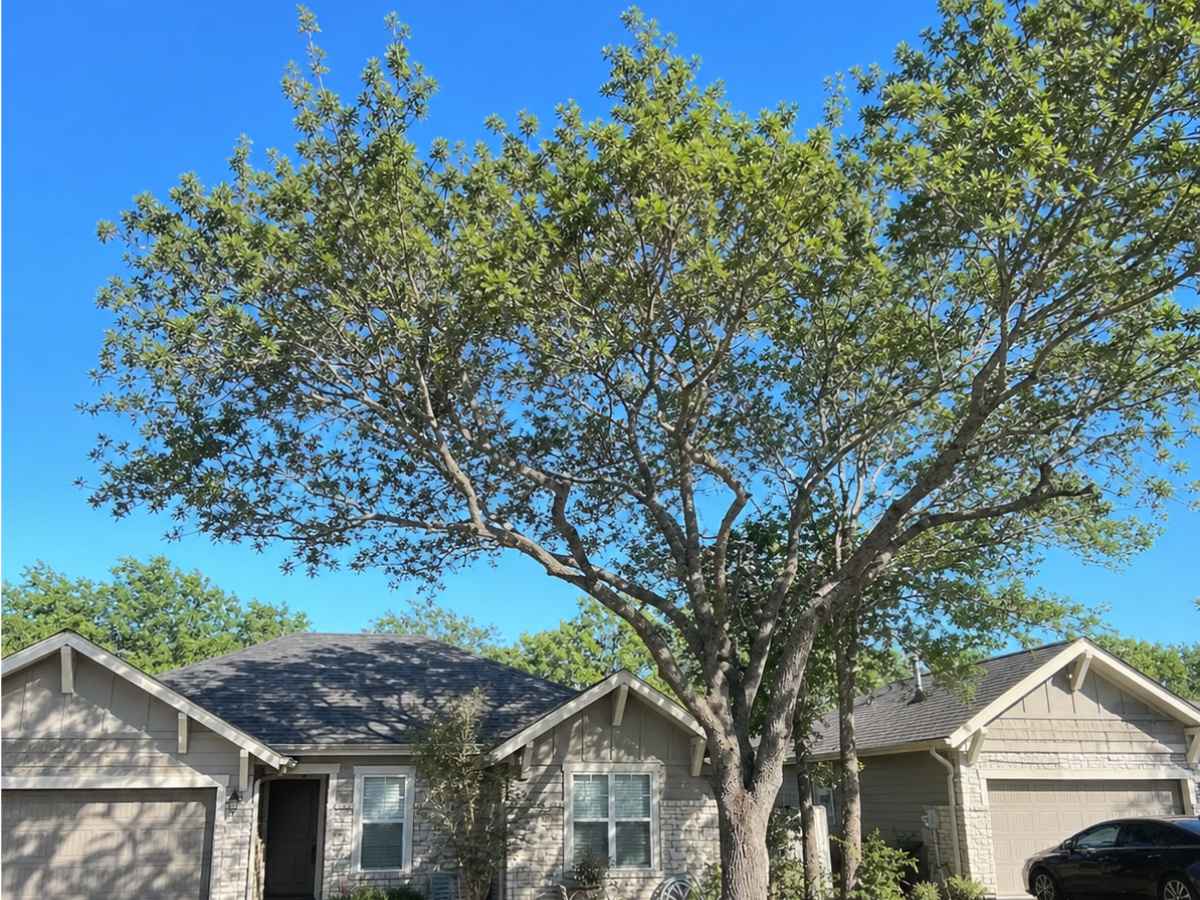
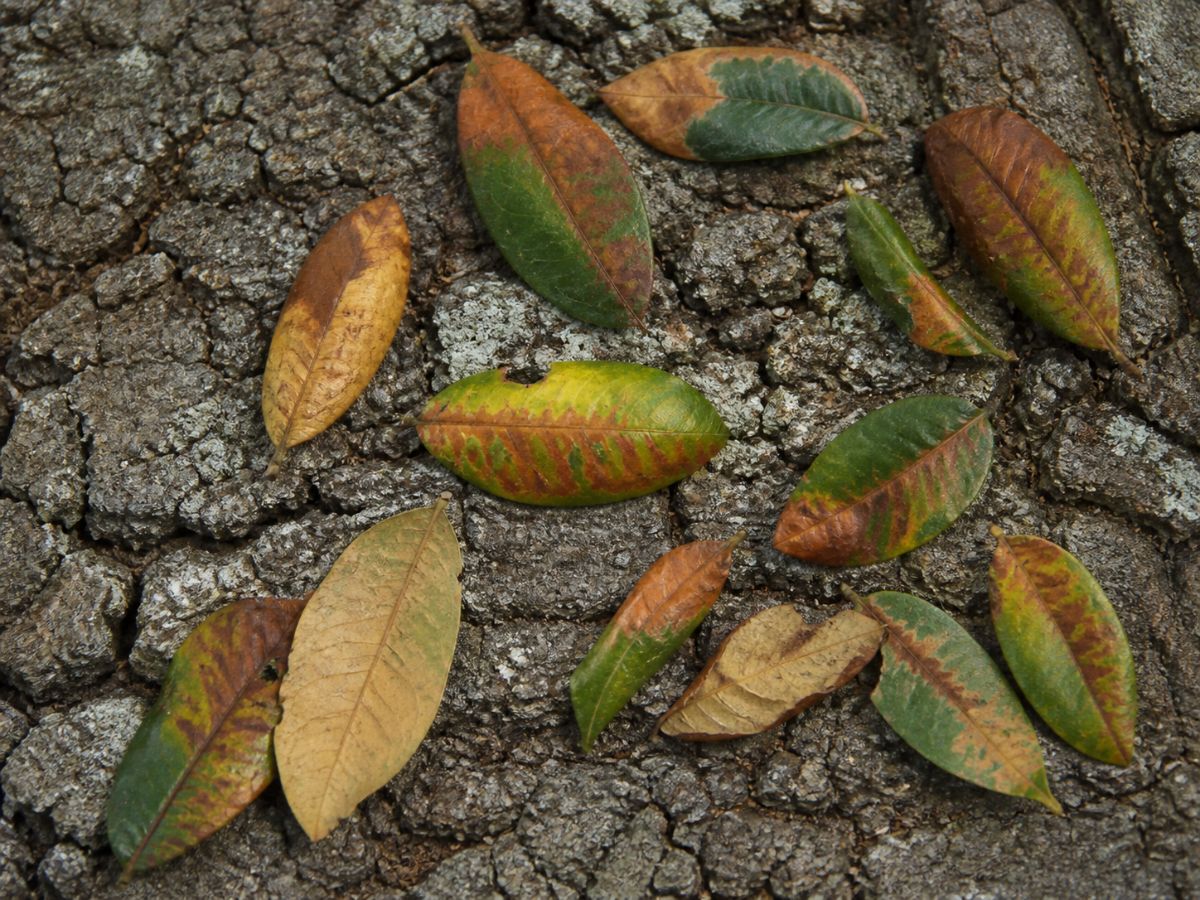
San Antonio sits on the edge of the Edwards Plateau, and much of the metro has thin soil over limestone. That is a very different growing problem from the deep clays further north and east: root volume is limited, drainage is fast, and the high pH of caliche and limestone soils locks up iron and manganese. The result is the chlorosis seen across the city — yellowing leaves with green veins, most visible on red oaks and photinias, and frequently mistaken for drought or disease.
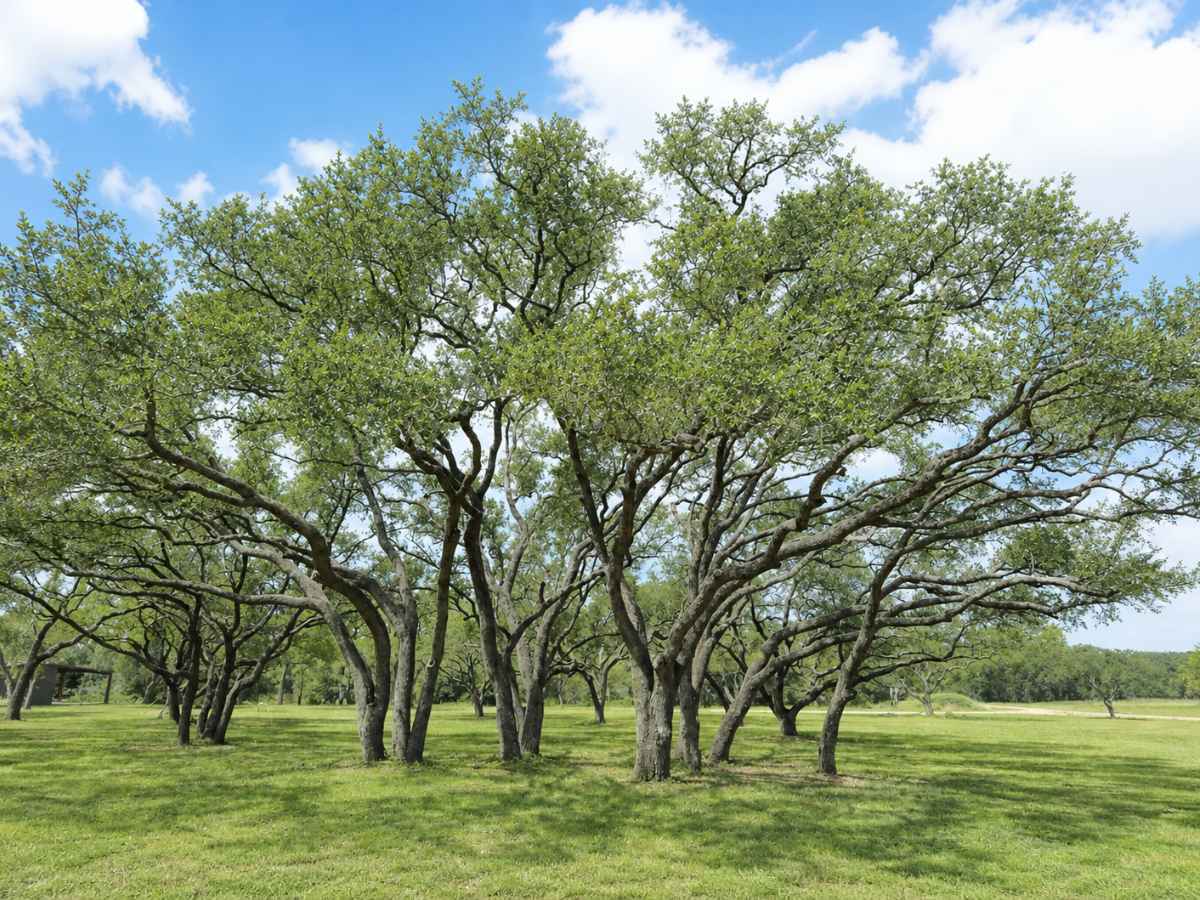
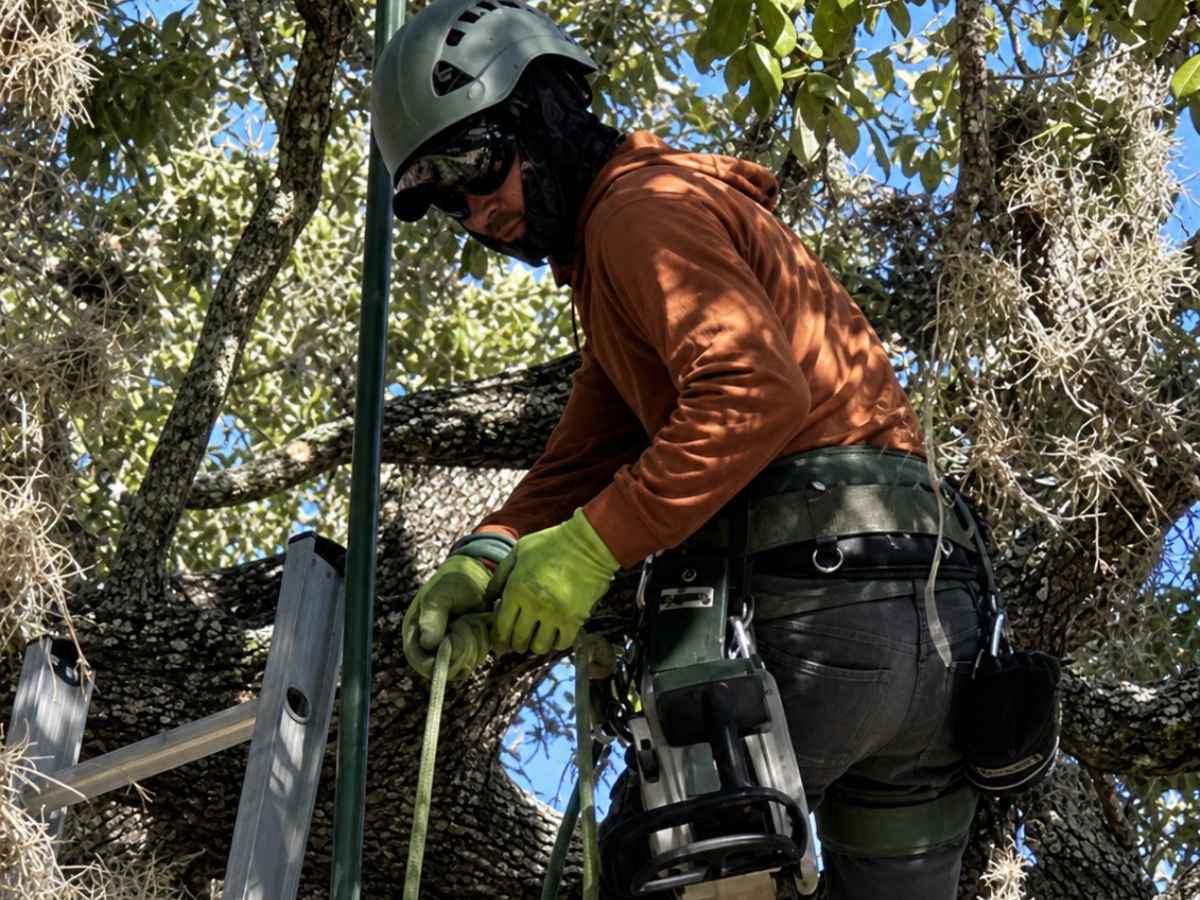
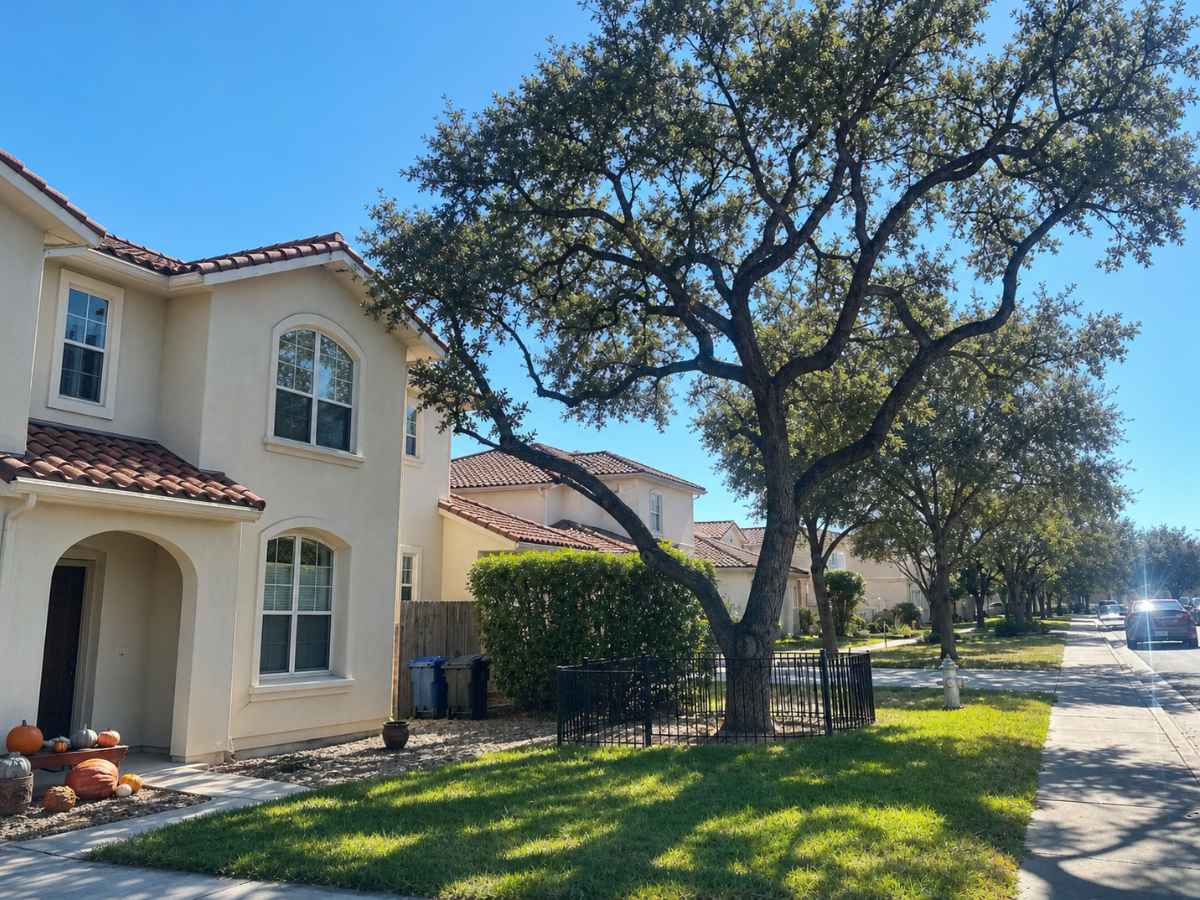
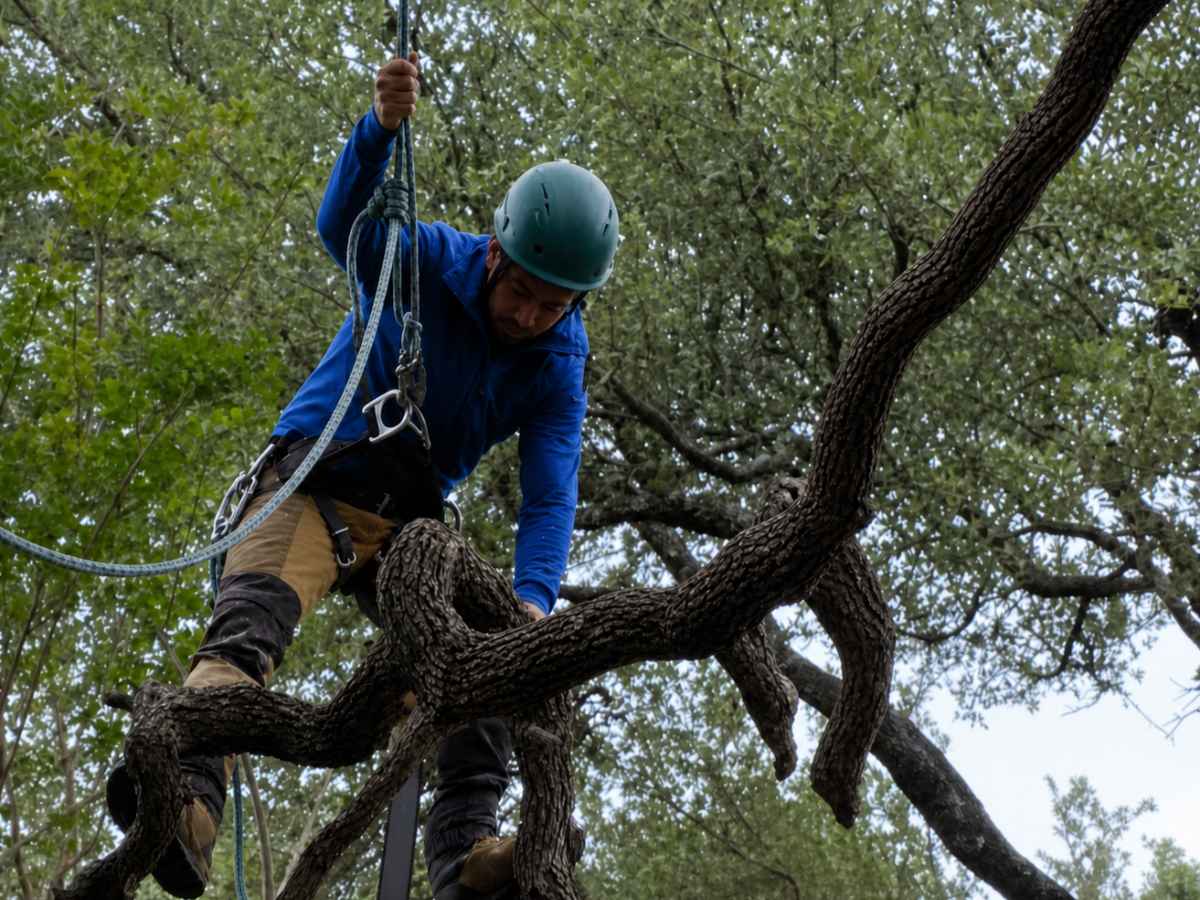
Live oaks are the signature tree of the area and form extensive interconnected root systems, which makes oak wilt a genuine and well-documented problem across Bexar County and the Hill Country. Local extension guidance treats pruning timing and immediate wound sealing as standard practice rather than optional caution.
Water is the other constant. San Antonio has a long history of drought restrictions, and established trees do far better on infrequent deep soakings than on the light, frequent irrigation a lawn schedule provides.
Tree service questions in San Antonio
- Why are my leaves yellow with green veins?
- That pattern is iron chlorosis, and it is very common on the high-pH limestone and caliche soils around San Antonio. The iron is present in the soil but chemically unavailable to the tree. It is a soil chemistry problem rather than an infection, and treatments are usually a stopgap — species selection suited to alkaline soil is the durable answer.
- When should oaks be pruned here?
- Avoid the February to June window, when the beetles that spread oak wilt are most active, and paint any oak wound immediately regardless of season. Live oaks across Bexar County are heavily interconnected through their root systems, which is why oak wilt can move through a whole street of them.
- How should I water an established tree during restrictions?
- Deep and infrequent beats light and frequent. Water slowly at the outer canopy edge rather than against the trunk, and let the surface dry between soakings. Lawn irrigation schedules wet only the top few inches, which encourages exactly the shallow rooting you do not want. Check current stage restrictions with SAWS before planning.
- Is thin soil over limestone a problem for large trees?
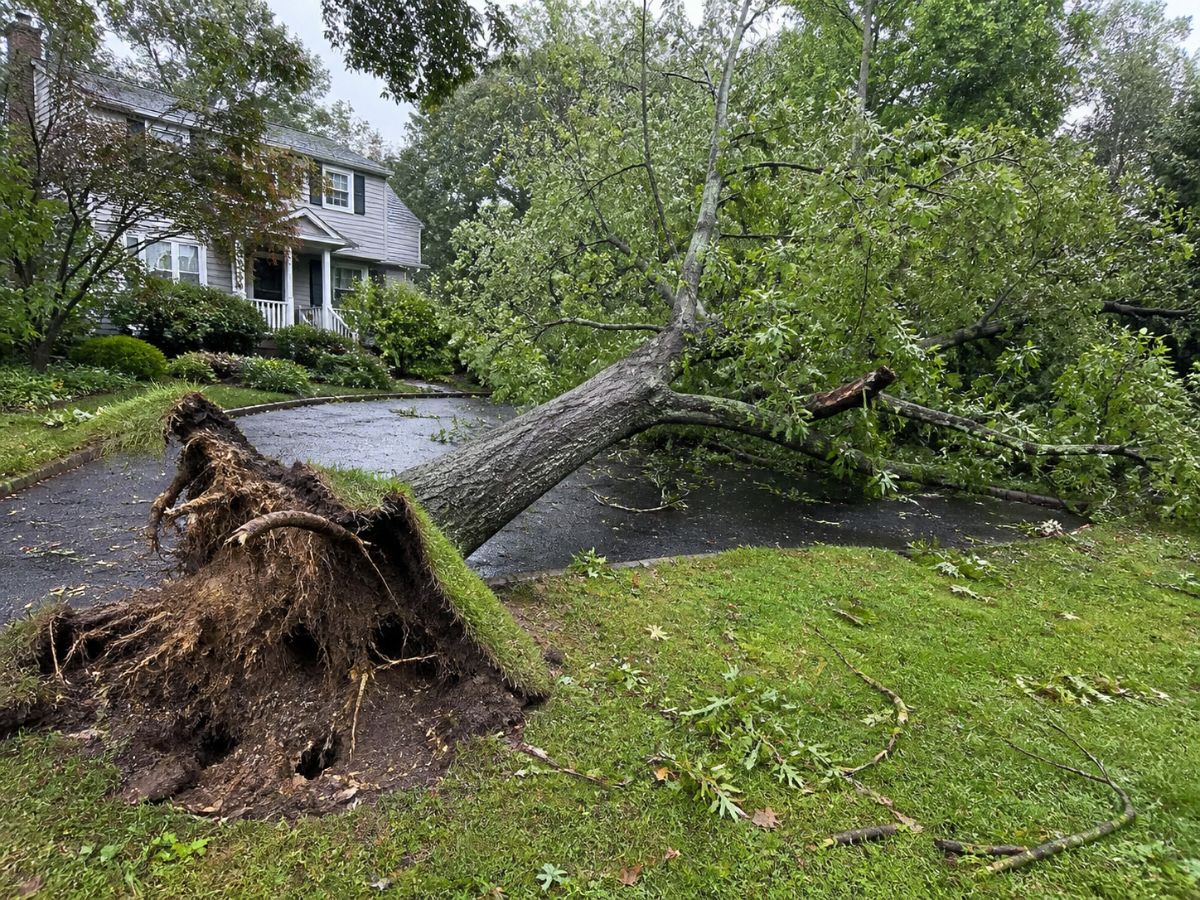
- It limits the root volume available, so trees on shallow caliche are more drought-sensitive and can be less stable in wind than the same species on deep soil. It also makes planting depth and mulching more important, not less.