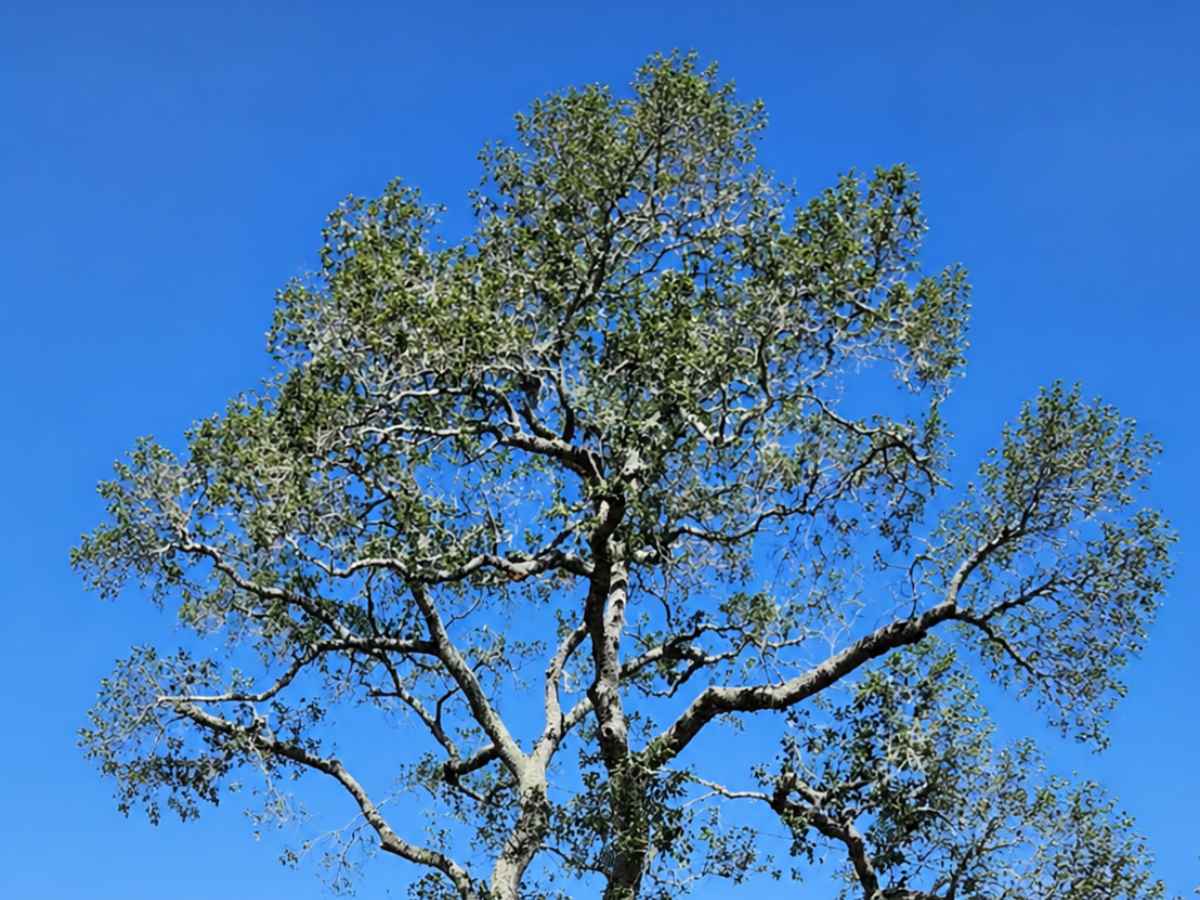
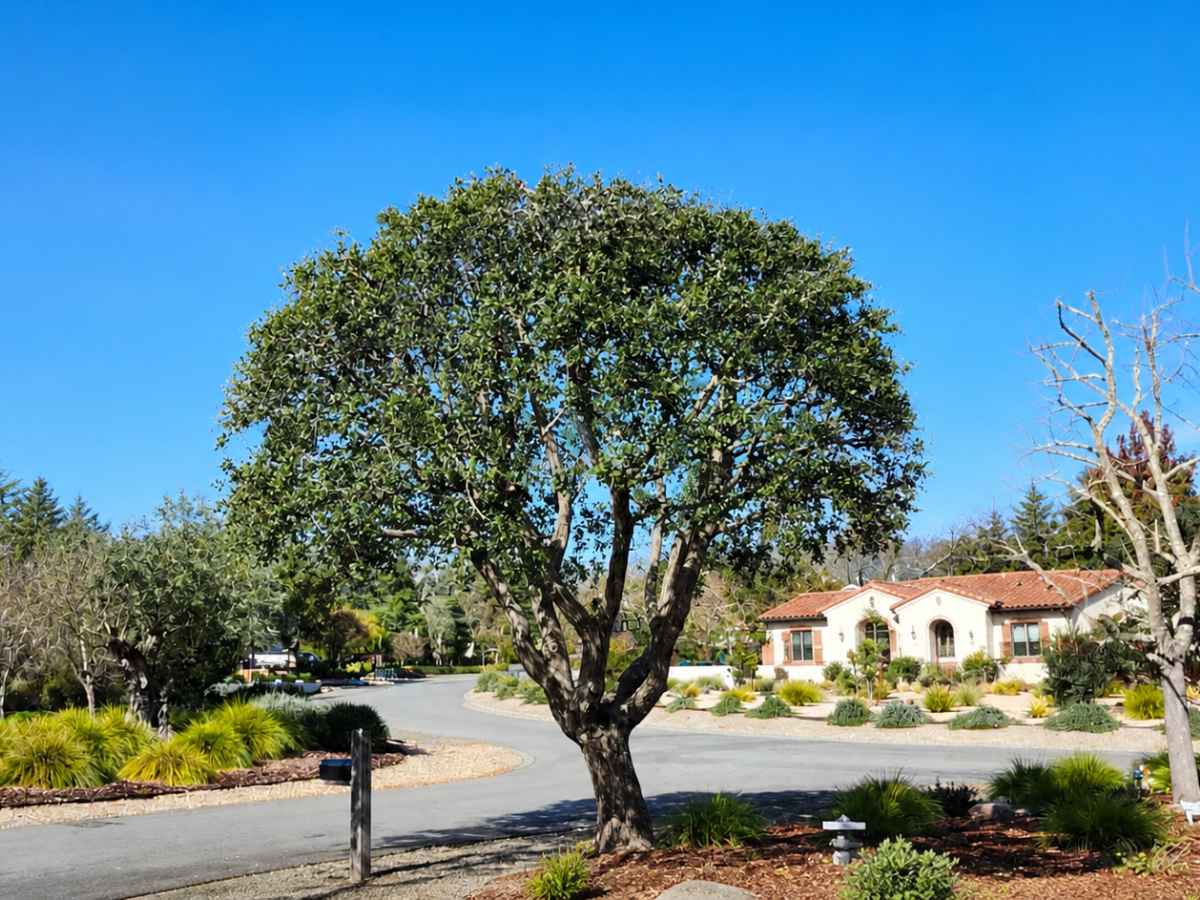
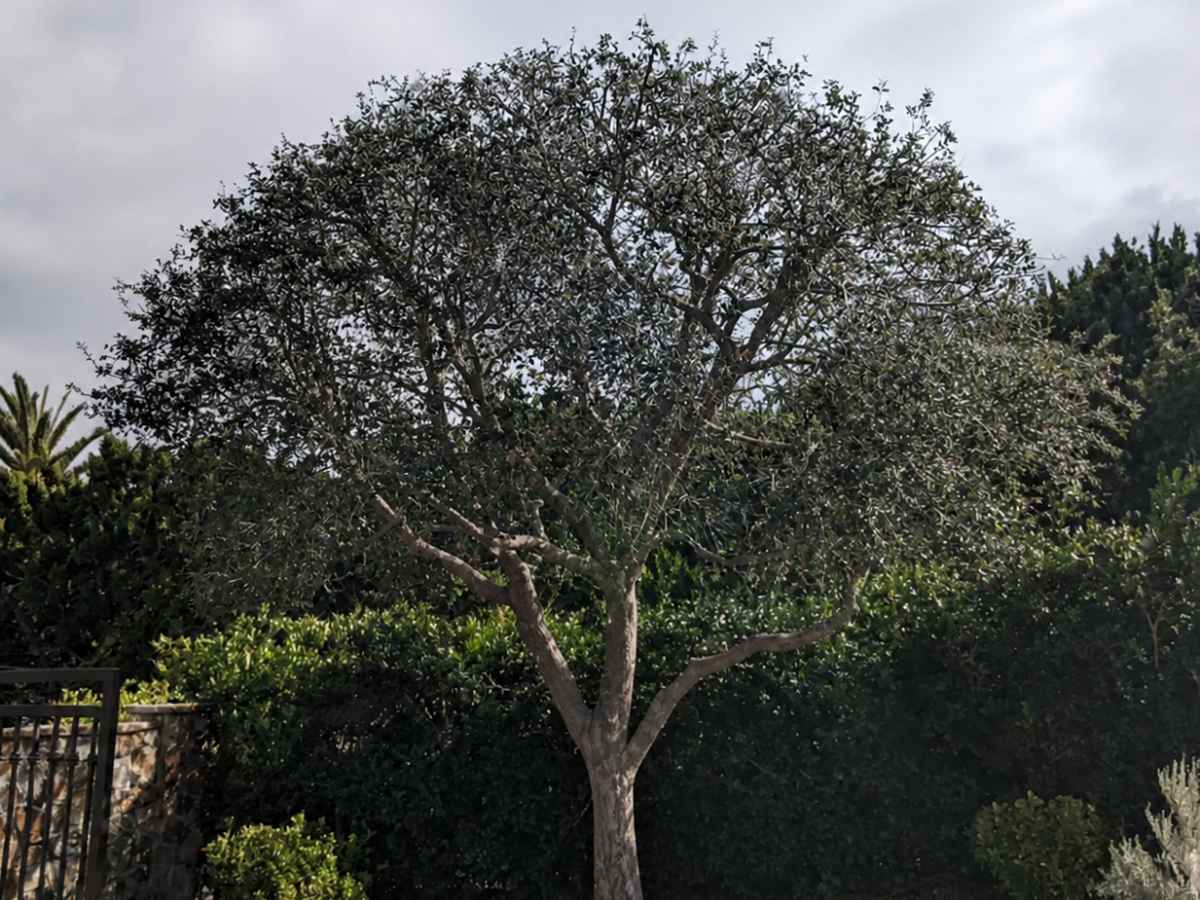
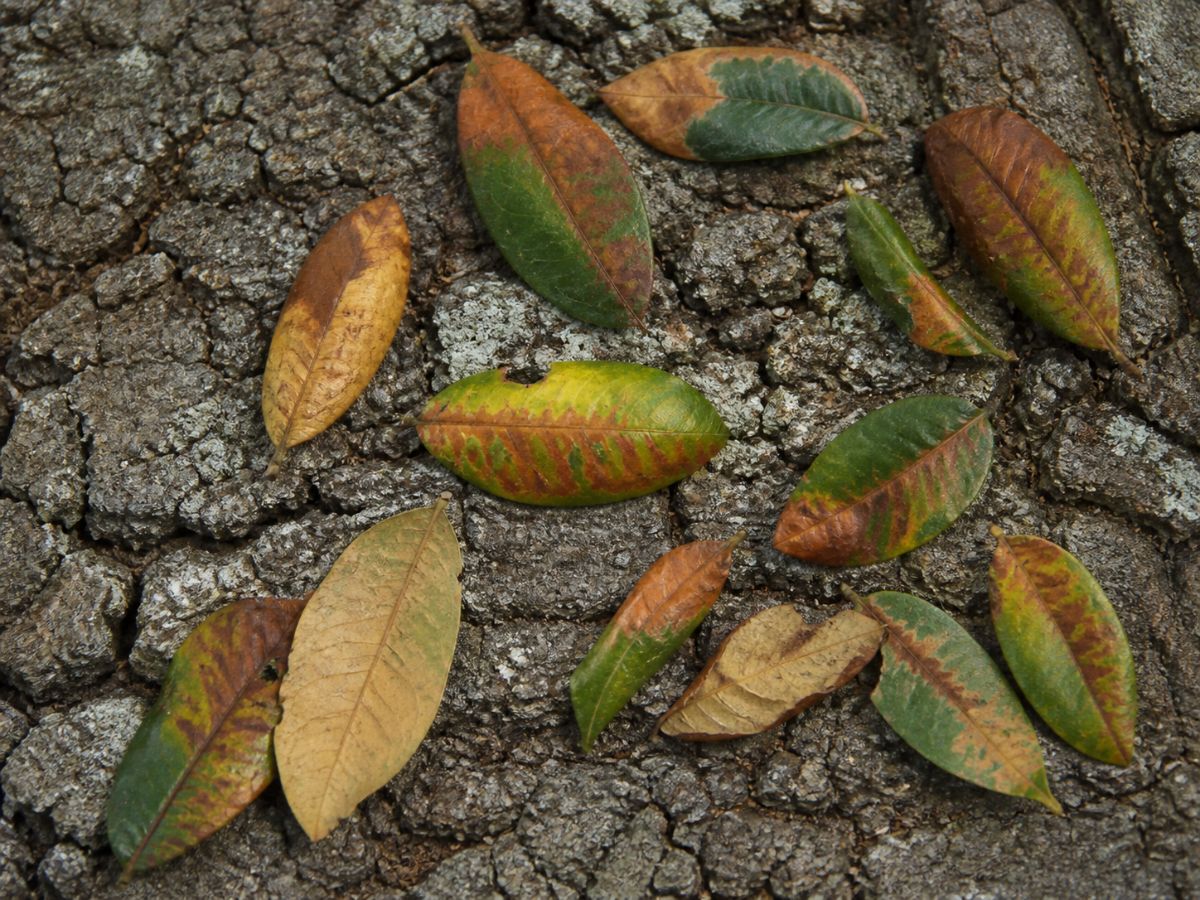
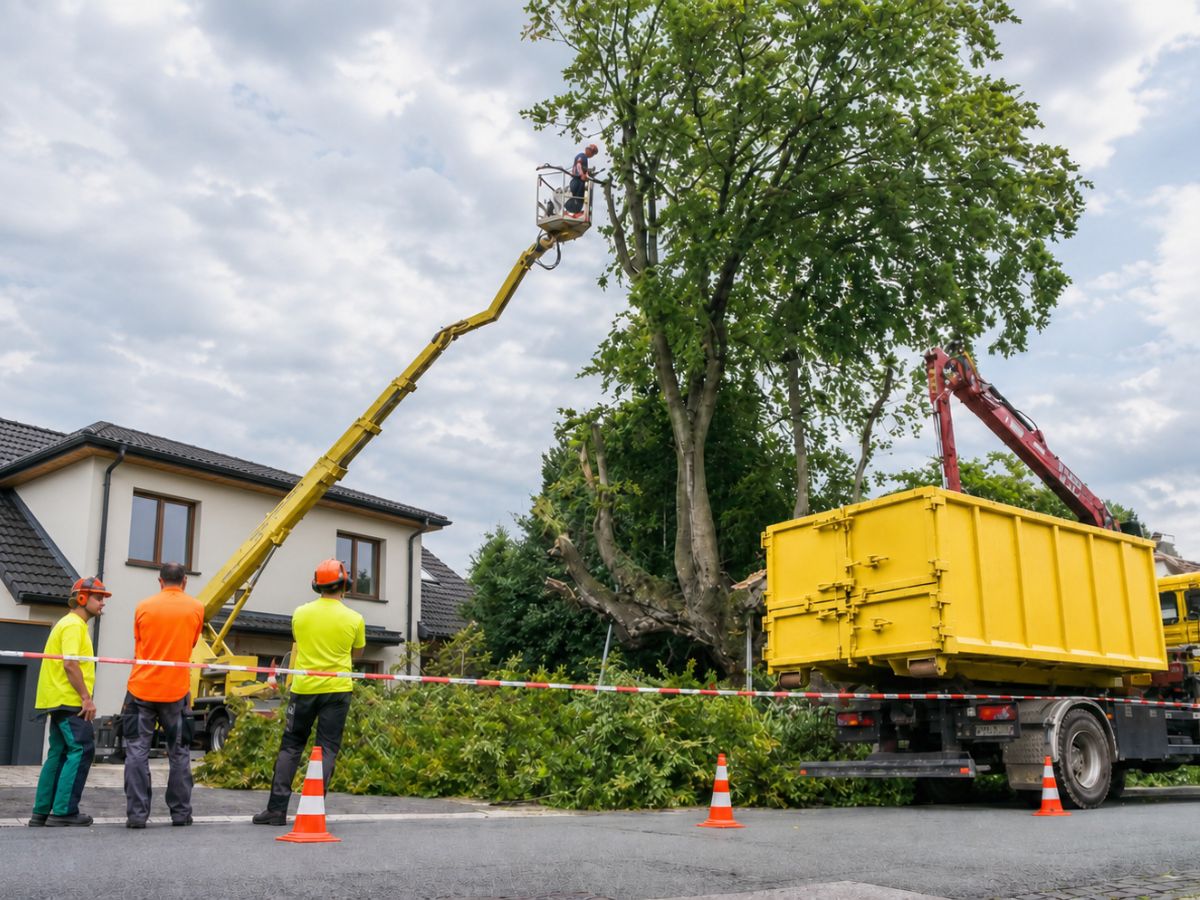
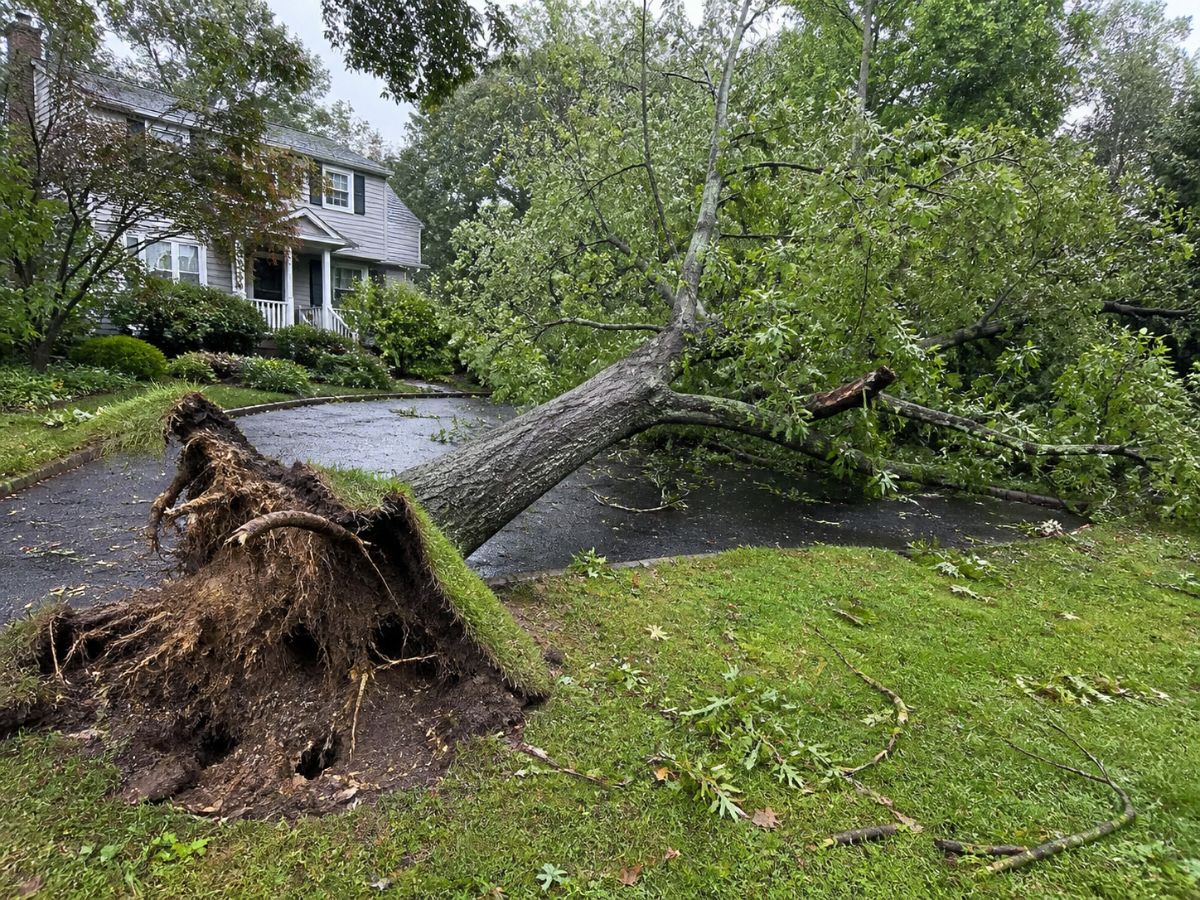
San José sits on the deep alluvial soils of the Santa Clara Valley, which was orchard country within living memory. That history still shows up in back gardens across the city as surviving fruit trees — walnut, apricot, plum, cherry — that are now well past commercial age and were never pruned for structure as landscape trees. They tend to arrive at an arborist as heavy, over-extended limbs on a decaying trunk, and they are a disproportionate share of local failures.
The city's tree rules are stricter than newcomers expect and are worth reading before any work is booked. Under the municipal code it is unlawful to remove a street tree, a heritage tree or an ordinance-size tree without a permit. On single-family and duplex properties, ordinance size is defined by circumference — 38 inches or more measured at four and a half feet above the ground, single or multi-trunk combined — which works out at roughly twelve inches of diameter. Penalties for unpermitted removal of a street tree run high. Confirm the current thresholds with the City, as they are periodically revised.
Winters are wet and summers are effectively rainless, so the failure season here is December to March, when saturated ground and storm wind arrive together.
Tree service questions in San Jose
- Do I need a permit to remove a tree in San José?
- Very likely. Street trees, heritage trees and ordinance-size trees all require a permit under the municipal code, and removing a street tree without one carries substantial penalties. On single-family and duplex lots, ordinance size means 38 inches or more in circumference at four and a half feet above ground, measured as a single trunk or as multiple trunks combined. Replacement planting is normally required. Verify current thresholds with the City before work is scheduled.
- Why is the threshold given in circumference rather than diameter?
- Because it is measured with a tape around the trunk, which is quicker and less error-prone in the field than estimating diameter. If you prefer to think in diameter, 38 inches of circumference is about twelve inches across. Measure at four and a half feet above ground level, and for a multi-trunk tree add the trunks together rather than taking the largest.
- What should I do with an old orchard tree in my garden?
- Get it assessed rather than either ignoring it or removing it reflexively. Valley orchard survivors are typically decades past their productive life, carry heavy horizontal limbs and often have decay at old pruning wounds or at the graft union. Some can be reduced and retained safely for years; others have compromised trunks and are genuinely hazardous over a patio or driveway. The distinction is not obvious from the ground.
- When are storm failures most likely here?
- December through March. Summers are dry and the ground is firm, but winter rain saturates the soil and the wind arrives while it is still soft. A root plate that is perfectly secure in September can lift in February under a wind the same tree shrugged off six months earlier.