Fresno sits in the middle of the San Joaquin Valley on deep, generally fertile alluvial soil, under a climate of long triple-digit summers, negligible summer rain and cool, foggy winters. Trees here are entirely dependent on irrigation through the growing season, and the margin for error in July and August is narrow — a fortnight of missed water in extreme heat does damage that takes years to grow out.
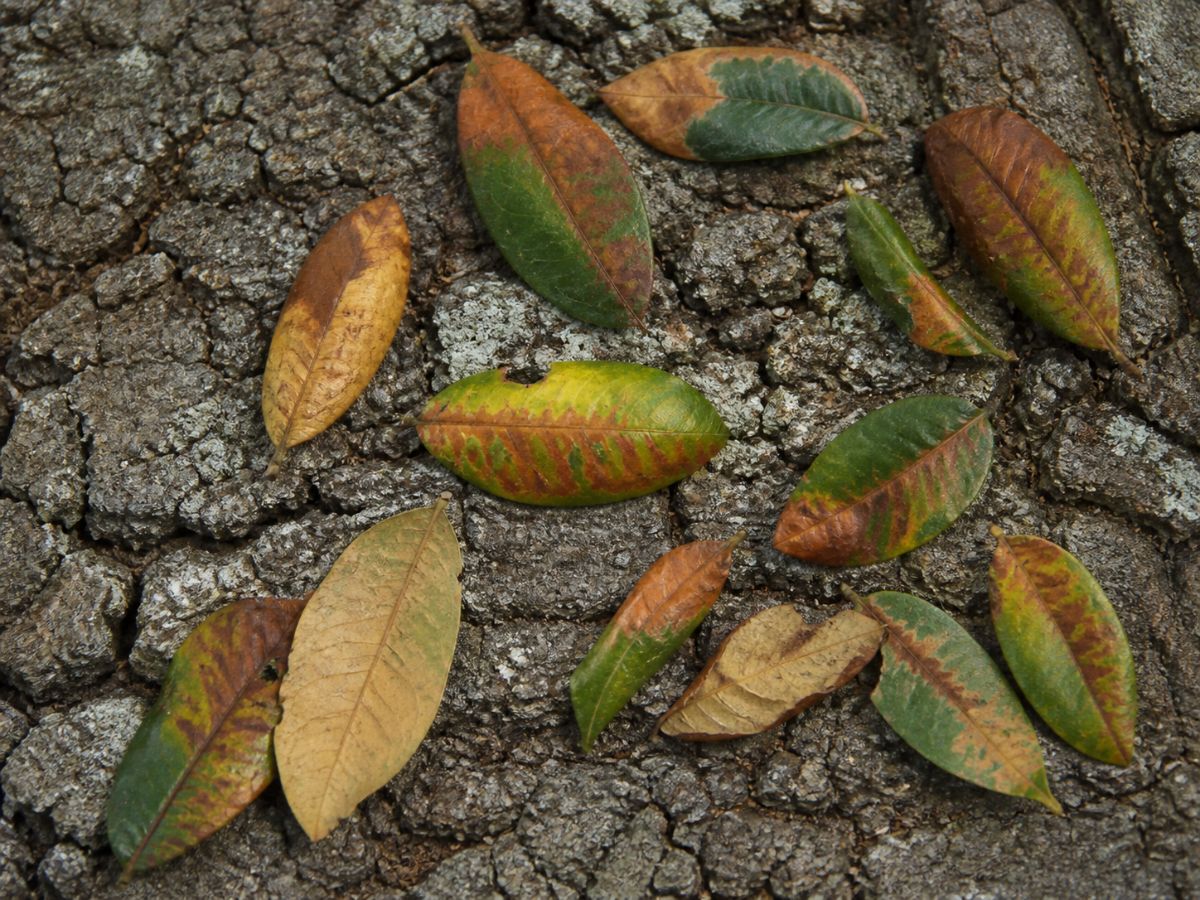
The valley also has a distinctive legacy planting problem. The Modesto ash, a selection of Fraxinus velutina that originated at the Fancher Creek Nursery here in Fresno, was planted across Central Valley towns in enormous numbers from the 1930s onward. That cohort is now old, and much of it has been worn down by anthracnose, a fungal disease that browns and drops foliage after cool, wet springs and recurs year after year. Widespread ash decline across a street is usually this story rather than anything newly arrived. Sycamore is affected by the same disease in the same conditions.
Canopy cover across much of the city is thin, which makes summer heat worse at street level, and thin-barked young trees are prone to sunscald on their south and west faces before they establish.
Tree service questions in Fresno
- Do I need a permit to remove a tree in Fresno?
- Rules differ by jurisdiction and are revised periodically, so confirm before booking work. Broadly, trees in the public right-of-way between pavement and kerb are treated differently from trees on your own lot, and requirements tied to development or to a specific planning condition are different again. Fresno County's unincorporated areas and the valley's other cities each set their own ordinances, and newer subdivisions often carry HOA conditions stricter than any municipal rule.
- Why are so many ash trees on my street dying at once?
- Most likely because they are Modesto ash of the same age. The variety originated in Fresno and was planted in very large numbers across valley towns from the 1930s, so entire streets went in as a single cohort and are now ageing together. Repeated anthracnose infection after cool, wet springs has compounded it. Uniform decline along a street is a strong clue that you are looking at a cohort problem, not a contagious outbreak moving tree to tree.
- How should I water a tree through a valley summer?
- Deeply and less often, at the edge of the canopy rather than at the trunk, so moisture reaches the rooting zone instead of evaporating from the surface. Frequent shallow watering in triple-digit heat encourages roots to stay near the surface, which is the worst possible arrangement when a heatwave arrives. A thick mulch ring, kept clear of the trunk itself, does more for a tree here than almost any other single measure.
- What is the white paint on young tree trunks for?
- Sunscald protection. Valley sun on an exposed south or west facing trunk can heat thin young bark enough to kill the tissue beneath, which cracks and opens the way for borers and decay. Diluted white latex paint, or a purpose-made trunk wrap, reflects enough of it to prevent the damage until the bark thickens and the canopy grows enough to shade its own trunk.