Tree Care in Houston: Oak Wilt, Hurricanes and Gumbo Clay
Houston's soil, storm season and oak population create a specific set of problems. What local homeowners actually need to plan for.
4 min read
Generic tree advice gets you most of the way, and then Houston does something specific to your tree. Between the clay, the water table, the hurricanes and a heavy live oak population, the failure modes here have a local accent.
The soil is the root of most of it
Much of the Houston area sits on heavy expansive clay — locally, gumbo. It swells when wet and shrinks when dry, and it moves enough to crack foundations. What it does to trees is subtler.
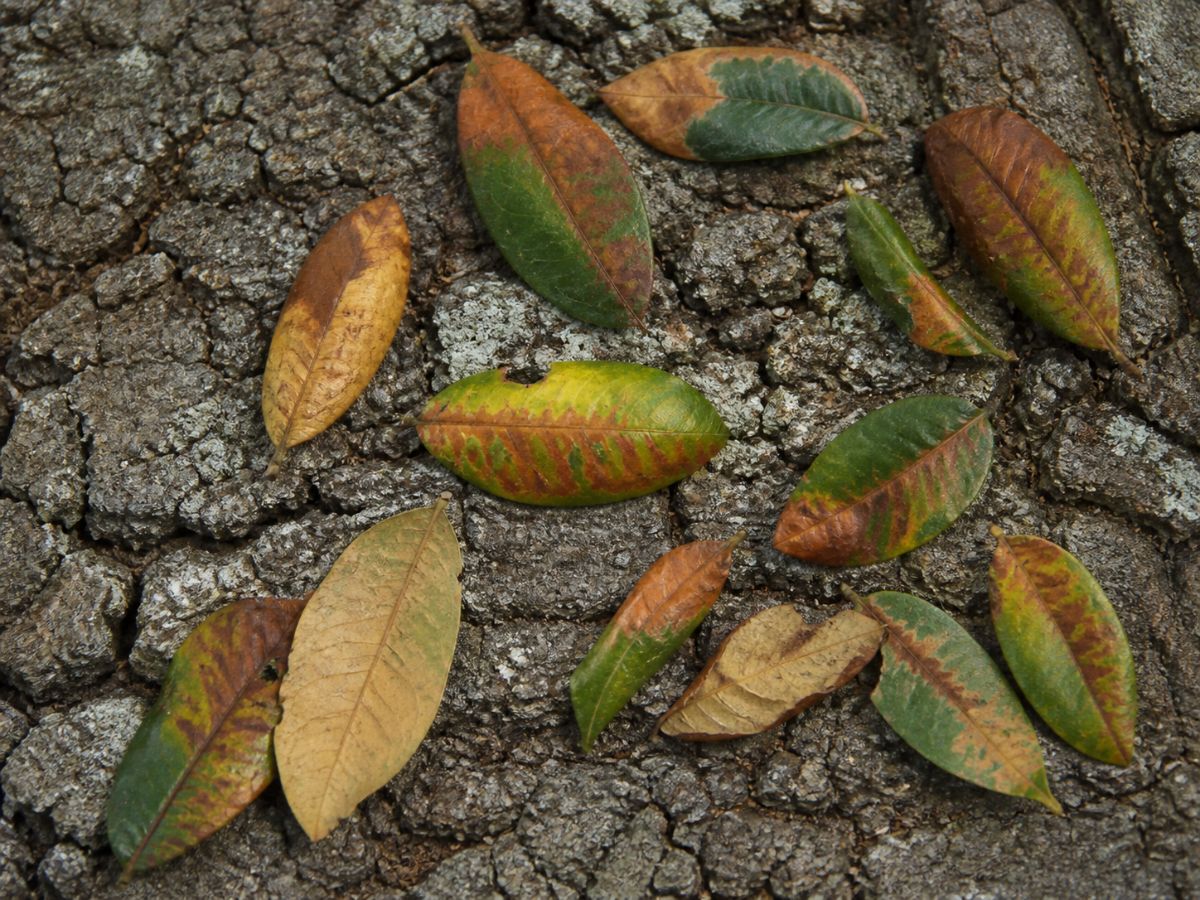
Clay drains slowly. In a wet stretch, root zones stay saturated, oxygen drops, and fine roots suffocate. Then a drought arrives, the clay contracts and pulls away from the roots, and the same tree that was drowning is now unable to take up water. Both extremes show up in the canopy as thinning and dieback, often blamed on disease when the cause is underfoot.
Three practical consequences:
- Planting depth matters more here than almost anywhere. A tree set too deep in clay, with the root flare buried, will decline slowly for years. If the trunk enters the soil like a pole rather than flaring outward, that is the problem.
- Mulch beats watering for consistency. A wide, shallow mulch ring — kept off the trunk — moderates the wet-dry swing that the clay amplifies.
- Roots are shallower than you expect. Poor deep drainage keeps root systems near the surface, which matters for both drought vulnerability and wind stability.
Hurricane season is a structural question
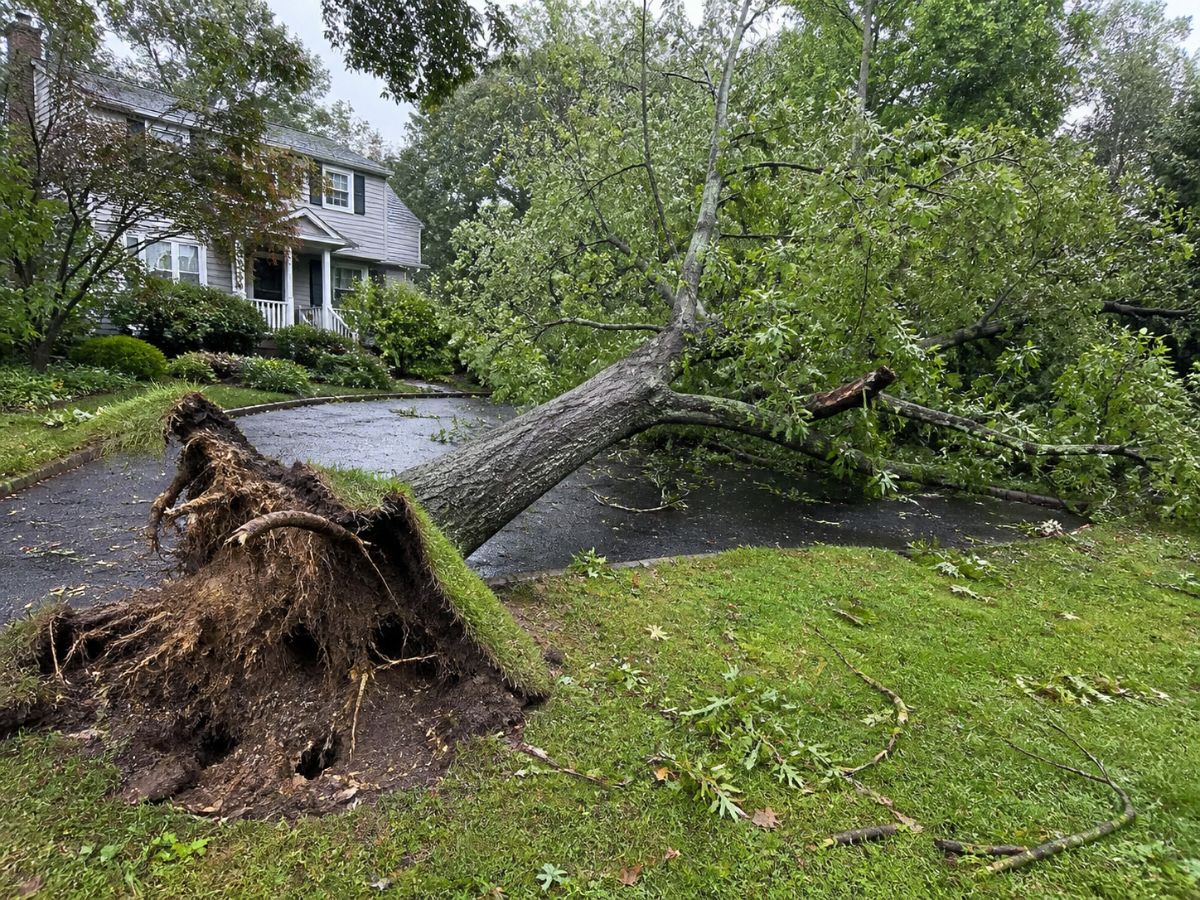
June through November, and the trees that fail in a tropical system are usually the ones that were already compromised. Saturated clay is the aggravating factor: a soil that soft holds a root plate much less firmly, so a storm that would merely flex a tree on well-drained ground can lever it over here.
That combination — sustained rain loosening the soil, then wind — is why Houston sees whole trees uprooted rather than just limbs shed.
The work that actually reduces risk happens long before a storm is named:
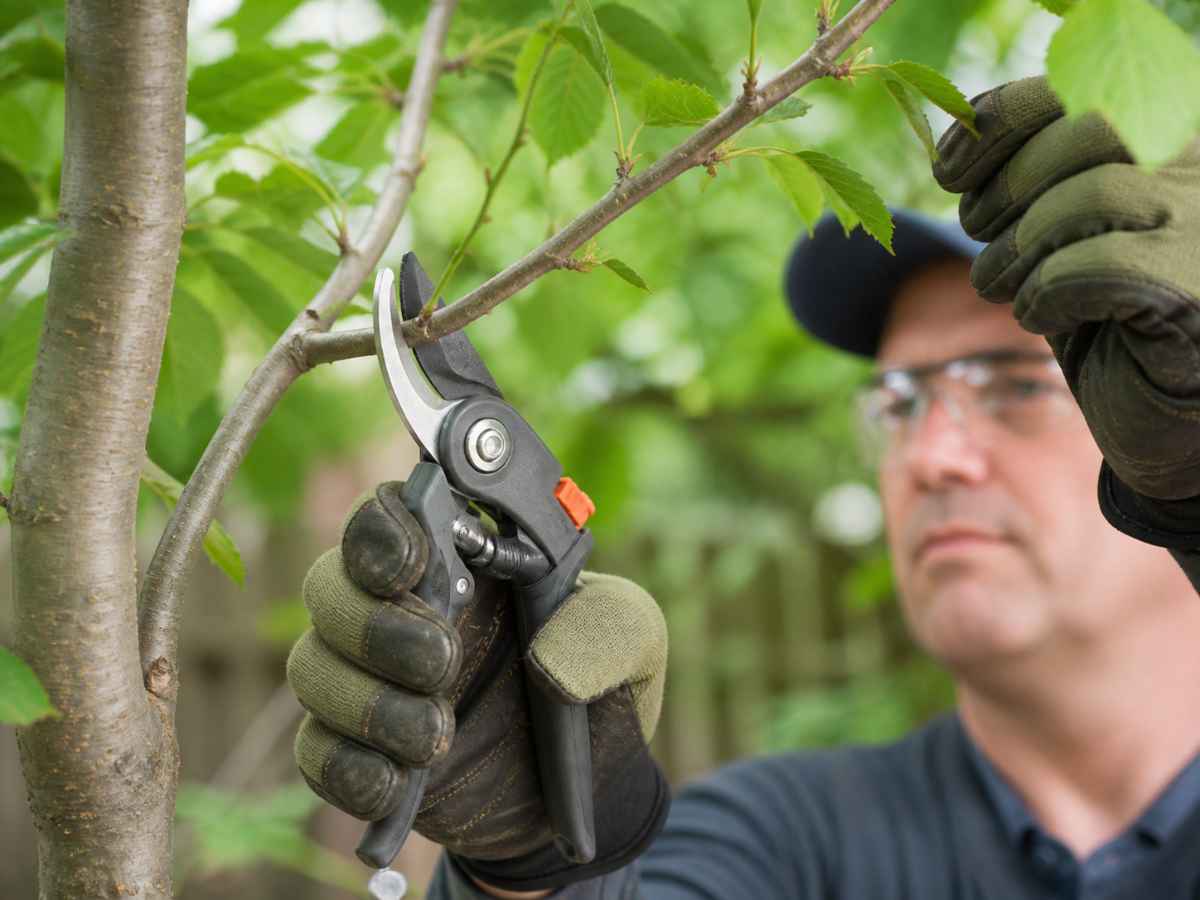
- Structural pruning to reduce end weight on long, heavy lateral limbs
- Deadwood removal, so there is less to become a projectile
- Assessment of codominant stems, which split under storm loading and are common in fast-grown suburban trees
- Cabling where a union is worth saving
Oak wilt has a calendar
Live oaks and red oaks are everywhere in this region, and oak wilt is present in Texas. The disease is spread partly by sap-feeding beetles drawn to fresh wounds, and partly through the interconnected root systems that live oaks form — which is why it can move through a whole street of them.
Texas A&M Forest Service guidance is to avoid pruning oaks from February through June, when the beetles are most active. Outside that window the risk drops substantially.
If an oak must be cut during the risky period — storm damage does not check the calendar — paint the wound immediately, within minutes. This is the one case where wound dressing is recommended; for other species and other situations, current research says leave cuts alone.
More on pruning timing, including the flowering-tree rules that are about blooms rather than health.
Permits and who owns the tree
Rules differ by jurisdiction and change, so verify rather than rely on a general article — but the shape of it:
Within Houston city limits, tree and shrub regulations apply primarily to street trees and to development and permitting situations rather than to routine removal of a private back-yard tree. Trees in the right-of-way between the sidewalk and the street are a different matter from trees on your lot, even though you probably mow around both.
Outside the city, the surrounding municipalities each set their own ordinances, and many of the master-planned communities across the metro enforce deed restrictions through an HOA that are stricter than any local ordinance. Check your deed restrictions before scheduling a removal — the HOA is more likely to be the binding constraint than the county.
What this means for hiring
Two Houston-specific things worth confirming with any contractor:
They understand the oak wilt calendar without being prompted. A crew that offers to prune your live oaks in April, with no mention of the risk or of painting the wounds, is not working from regional knowledge.
They have equipment plans for soft ground. Heavy machinery on saturated clay compacts the root zone of everything it drives over, and the damage takes years to show. Mats, smaller machines, or waiting for the ground to dry are all legitimate answers. No answer at all is not.
Everything else is the standard checklist — insurance verified with the insurer, itemised written quote, no topping. The twelve questions covers it, and what the credentials mean covers how to check them.
A rough seasonal rhythm
- Winter (Dec–Jan): the main pruning window, and the safest time for oaks. Structural work before storm season.
- Spring (Feb–Jun): no oak pruning except emergencies. Watch for the effects of spring rain on saturated ground.
- Summer (Jul–Aug): minimal pruning, heat and drought stress. Water deeply and infrequently rather than lightly and often.
- Storm season (Jun–Nov): know which crews in your area do emergency work before you need one.
- Autumn (Sep–Nov): good planting window — the roots get a cool season to establish before the first summer.