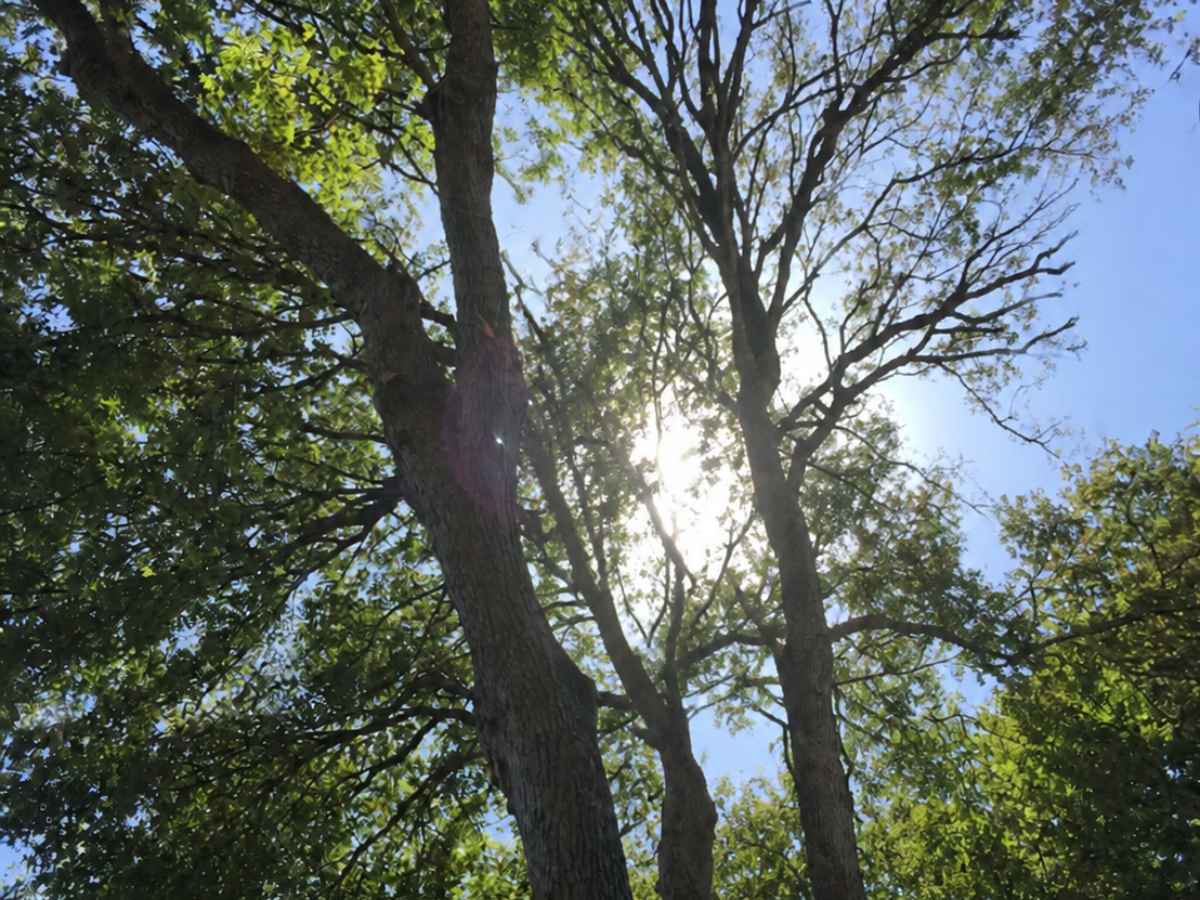
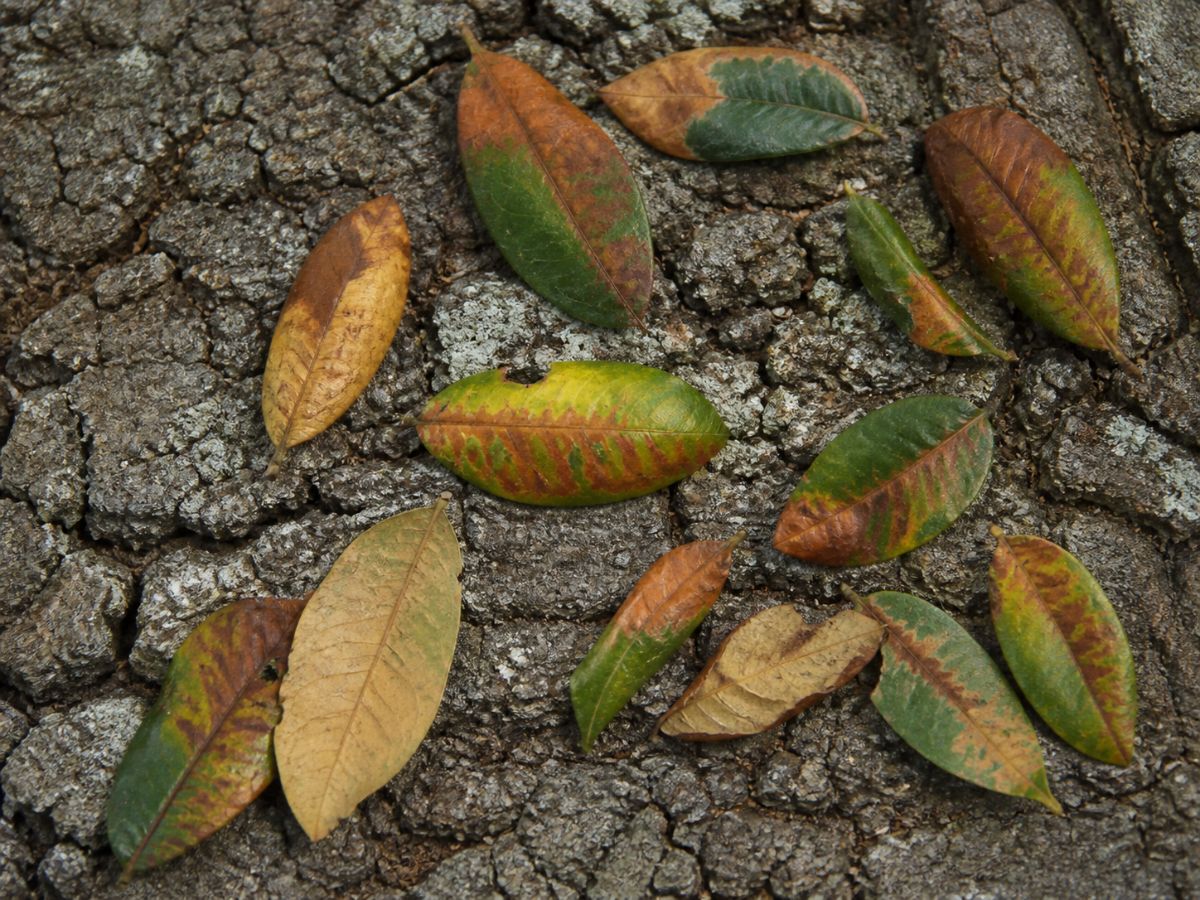
Dallas sits largely on Blackland Prairie soil — a dark, highly expansive clay that moves more with moisture than almost any soil in the country. It is the same ground that cracks foundations, and it treats trees no more gently. Shrink-swell cycles tear fine roots, and the effect shows up in the canopy a year or two later as thinning and dieback that is often misdiagnosed as disease.
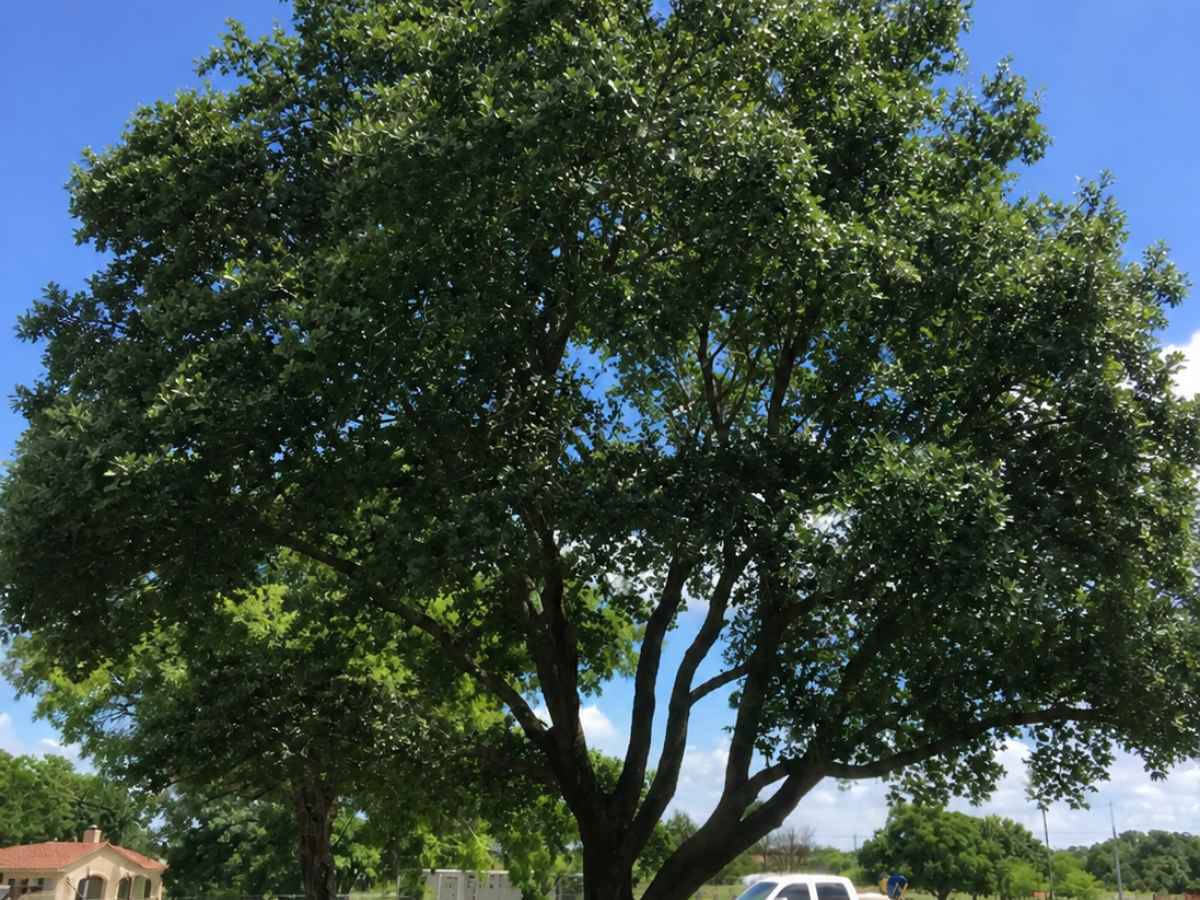
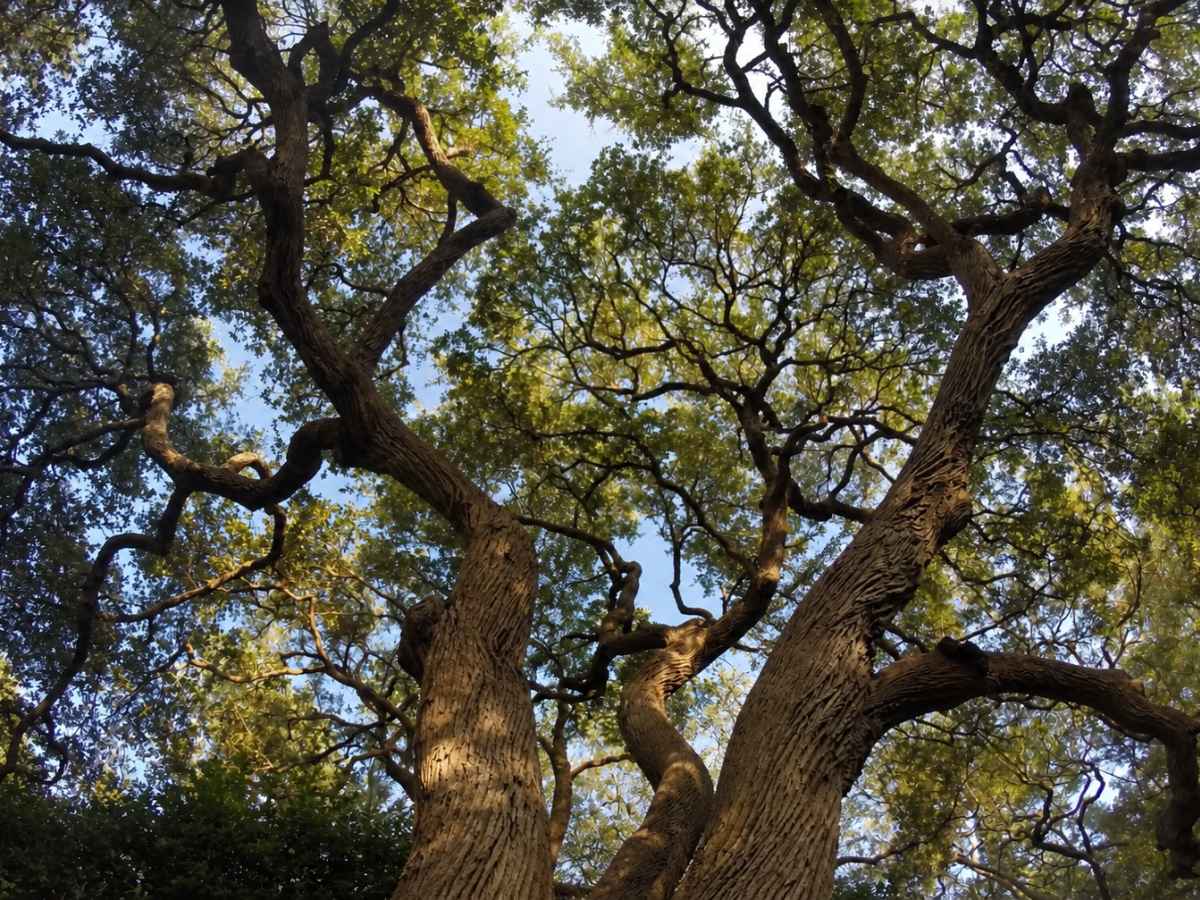
The tree population skews heavily toward post oak, live oak and red oak, which puts Dallas squarely in oak wilt country. The disease spreads both by sap-feeding beetles drawn to fresh wounds and through the interconnected root systems oaks form, so it can move down a street rather than stopping at a property line. That makes pruning timing a neighbourhood matter, not just a personal one.
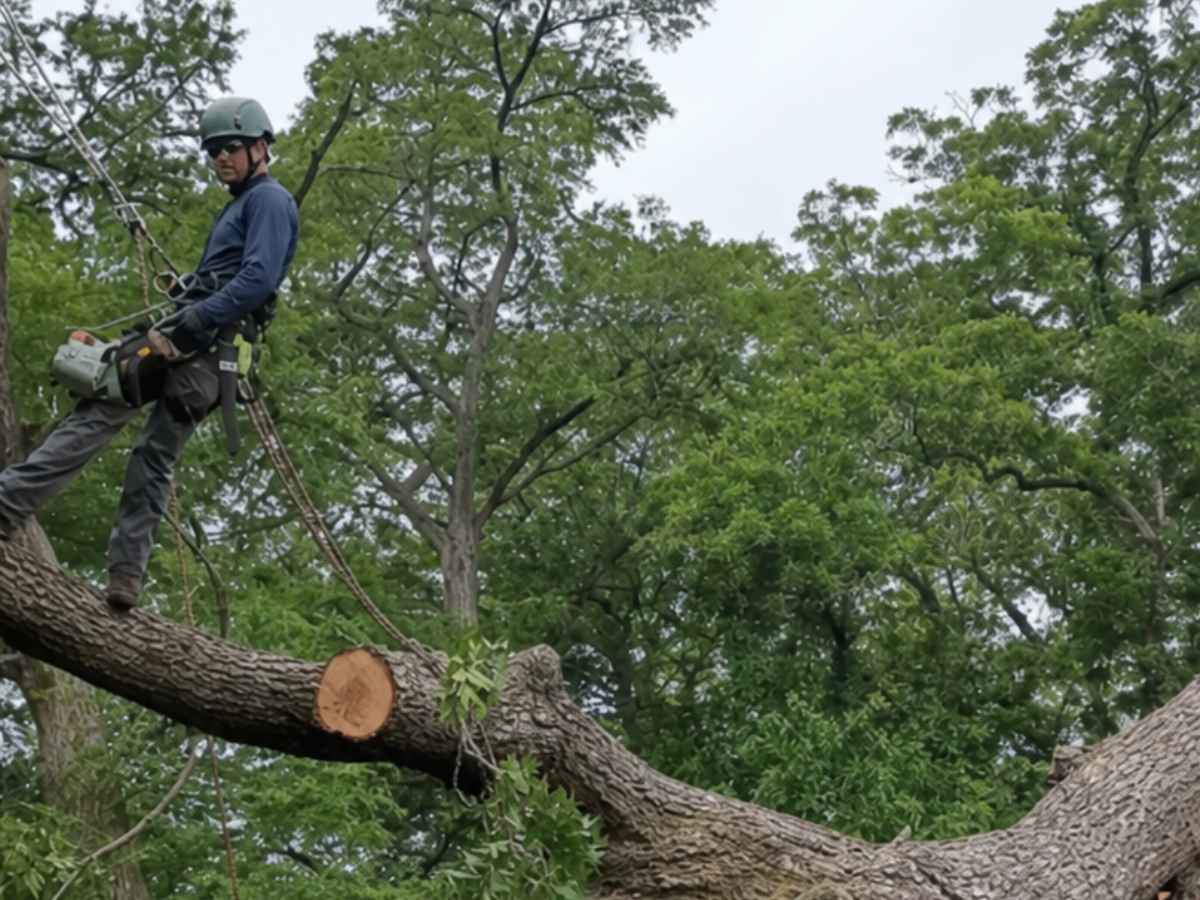
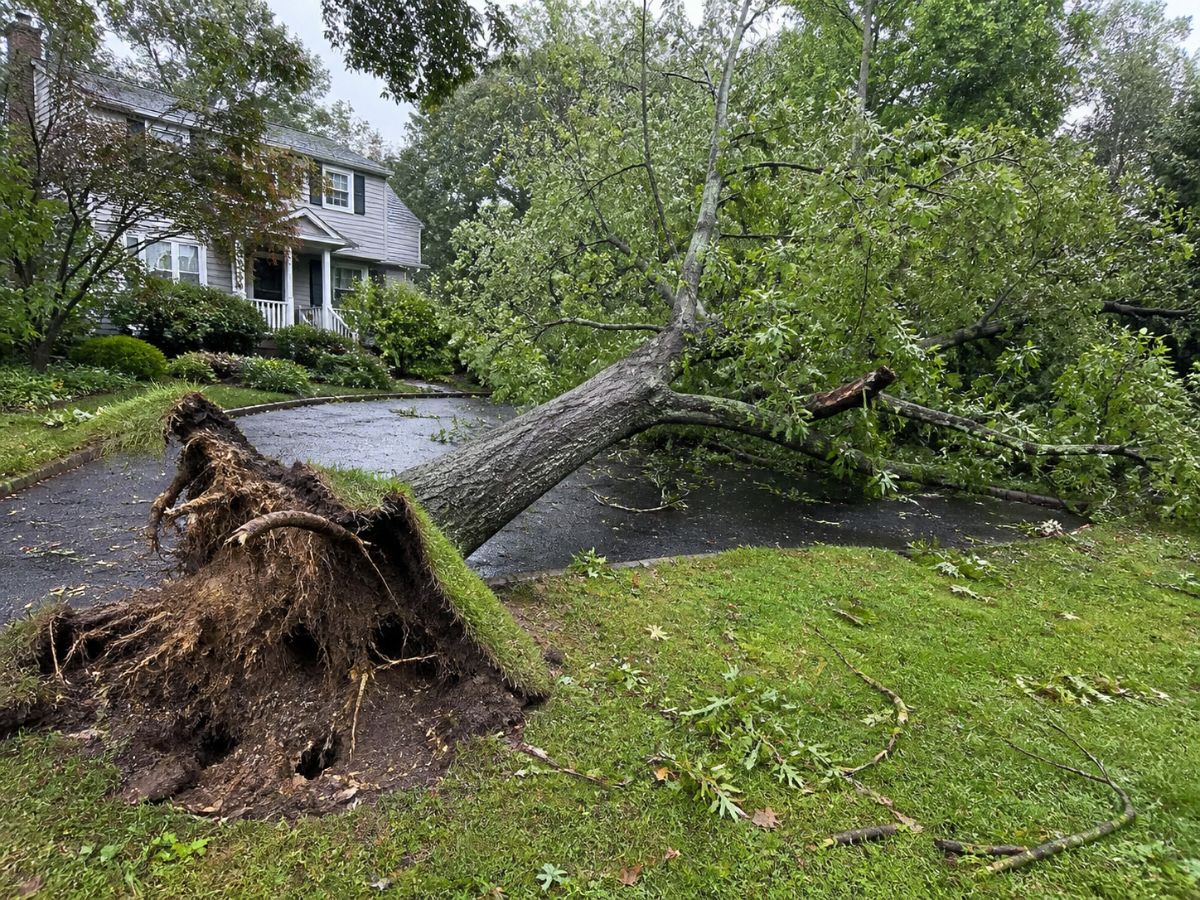
Spring is the volatile season here. North Texas sits in a corridor that produces damaging straight-line winds and hail well before summer, and the trees that fail in an April squall line are usually carrying defects that were visible in January.
Tree service questions in Dallas
- When is it safe to prune oaks in the Dallas area?
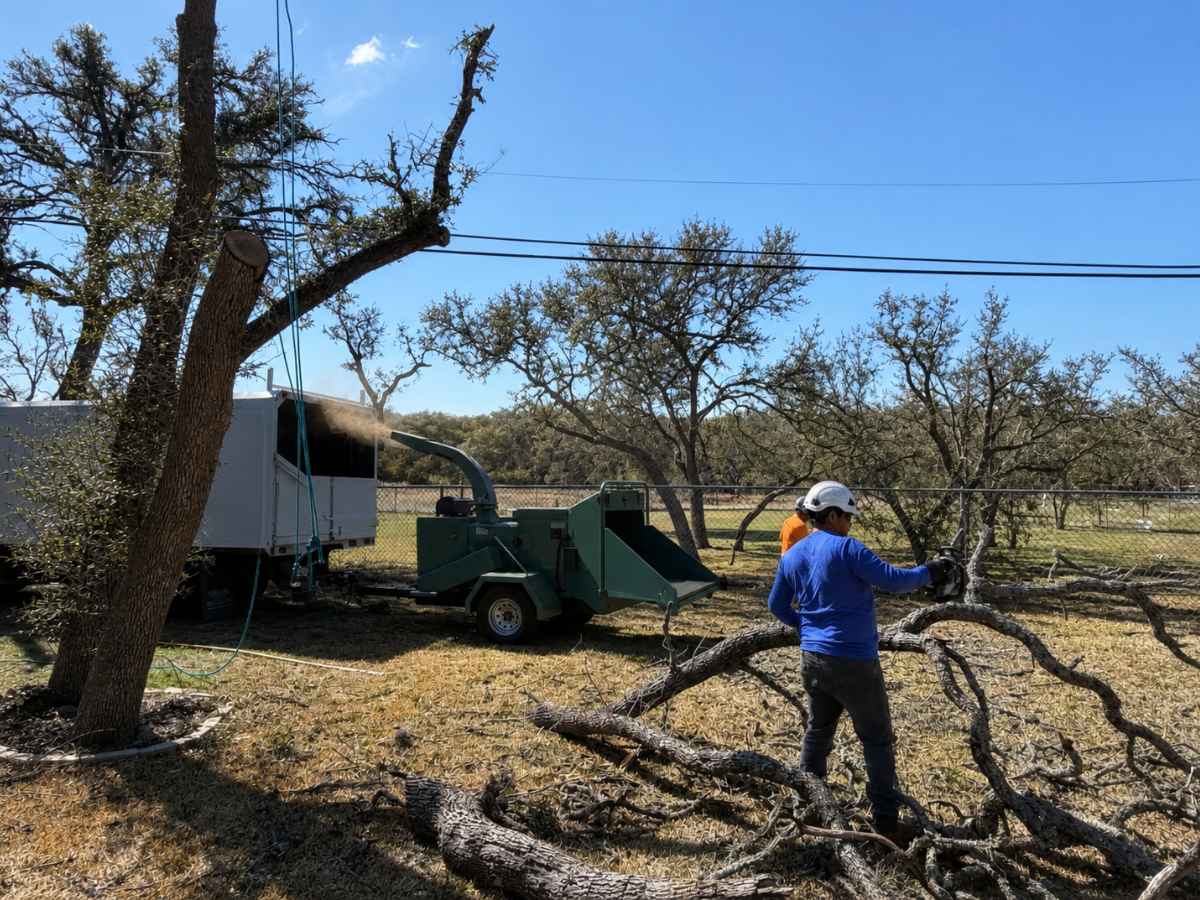
- Avoid February through June, the peak period for the beetles that spread oak wilt. Late winter, before bud break, is the preferred window. Because live oaks share root systems, the disease can move between neighbouring trees, so timing matters beyond your own lot. If a storm forces a cut in the risky window, seal the wound immediately.
- Why do my trees decline years after construction work?
- Blackland Prairie clay compacts severely under equipment, and root damage takes years to surface in the canopy. A tree that thins mysteriously often traces back to trenching, a driveway pour or a grade change three or four seasons earlier. Grade changes that bury the root flare are particularly damaging and particularly common.
- Do I need a permit to remove a tree in Dallas?
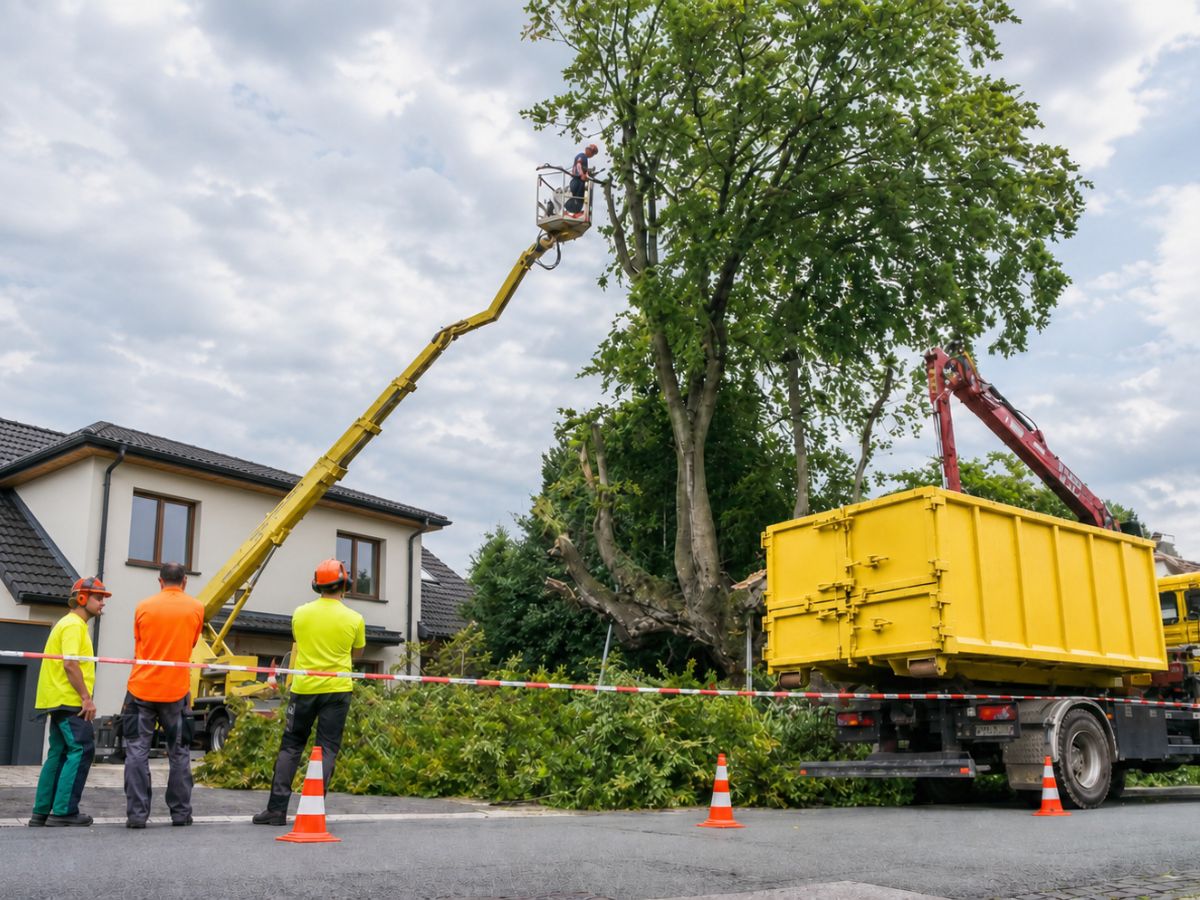
- Verify with your municipality rather than relying on a general answer — the Dallas–Fort Worth metroplex contains dozens of jurisdictions with different ordinances. City of Dallas has tree preservation provisions that apply mainly to development and to protected trees rather than routine removal of a dead back-yard tree, and many suburbs are stricter. HOA deed restrictions frequently bind more tightly than city rules.
- What causes the cracks I see in my clay soil around trees?
- Seasonal shrink-swell. As the clay dries it contracts and pulls away from roots, opening fissures that can run deep. A wide, shallow mulch ring kept off the trunk moderates the moisture swing better than frequent light watering, which mostly evaporates.