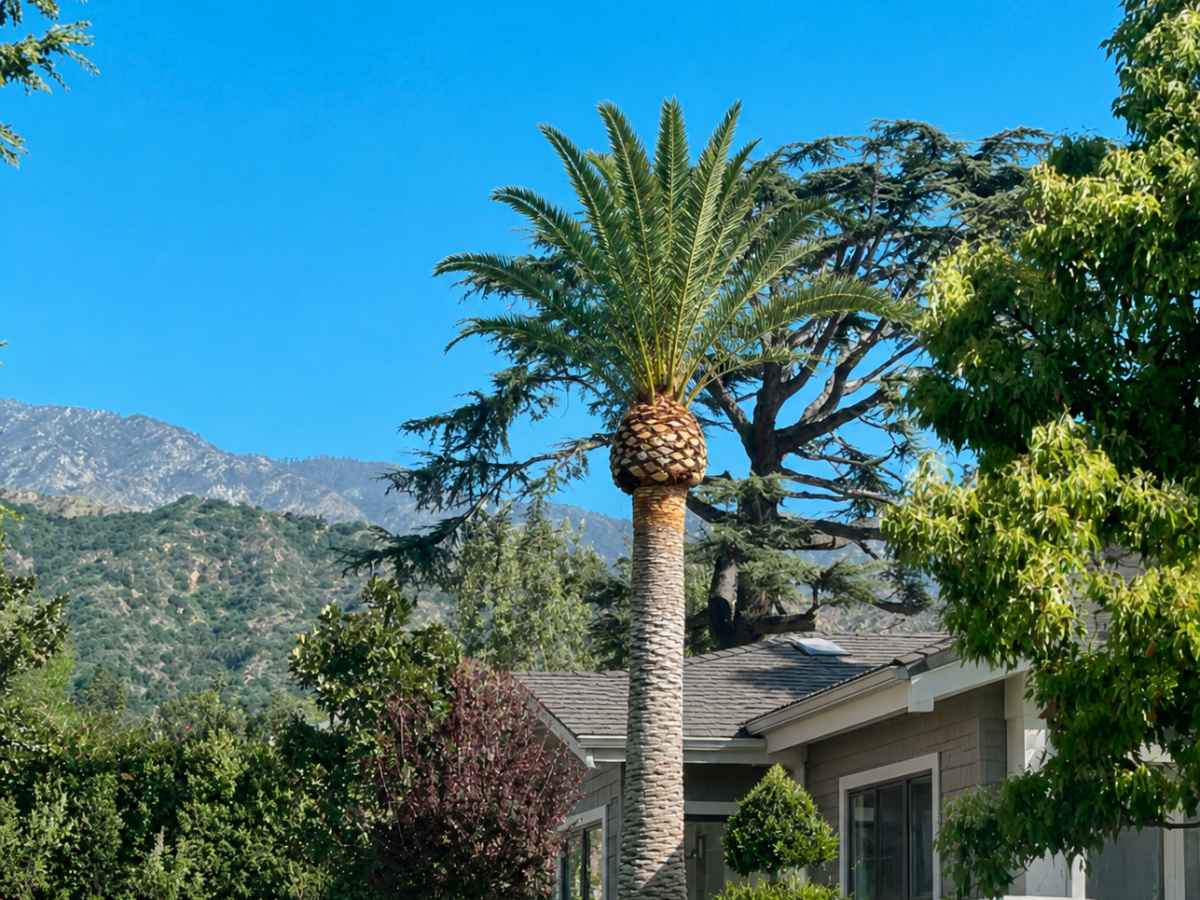
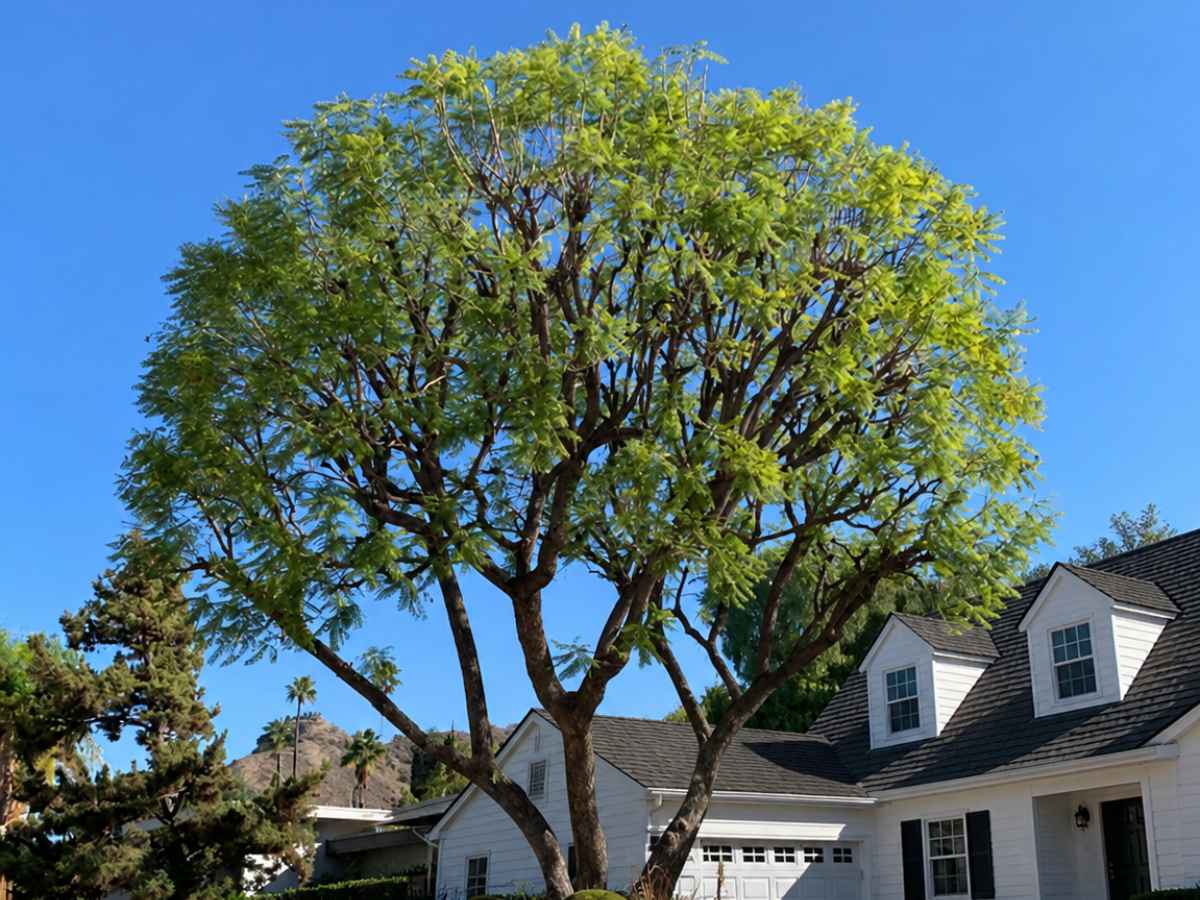
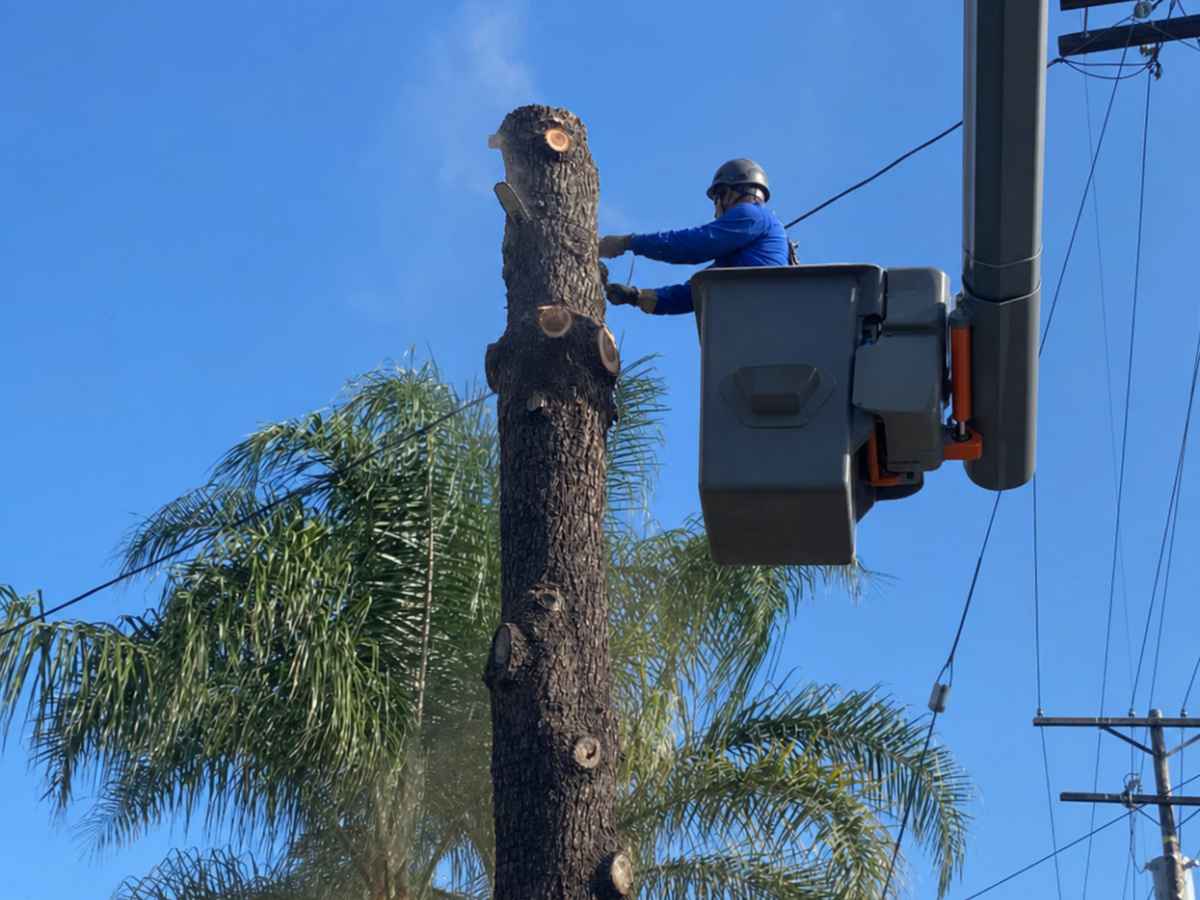
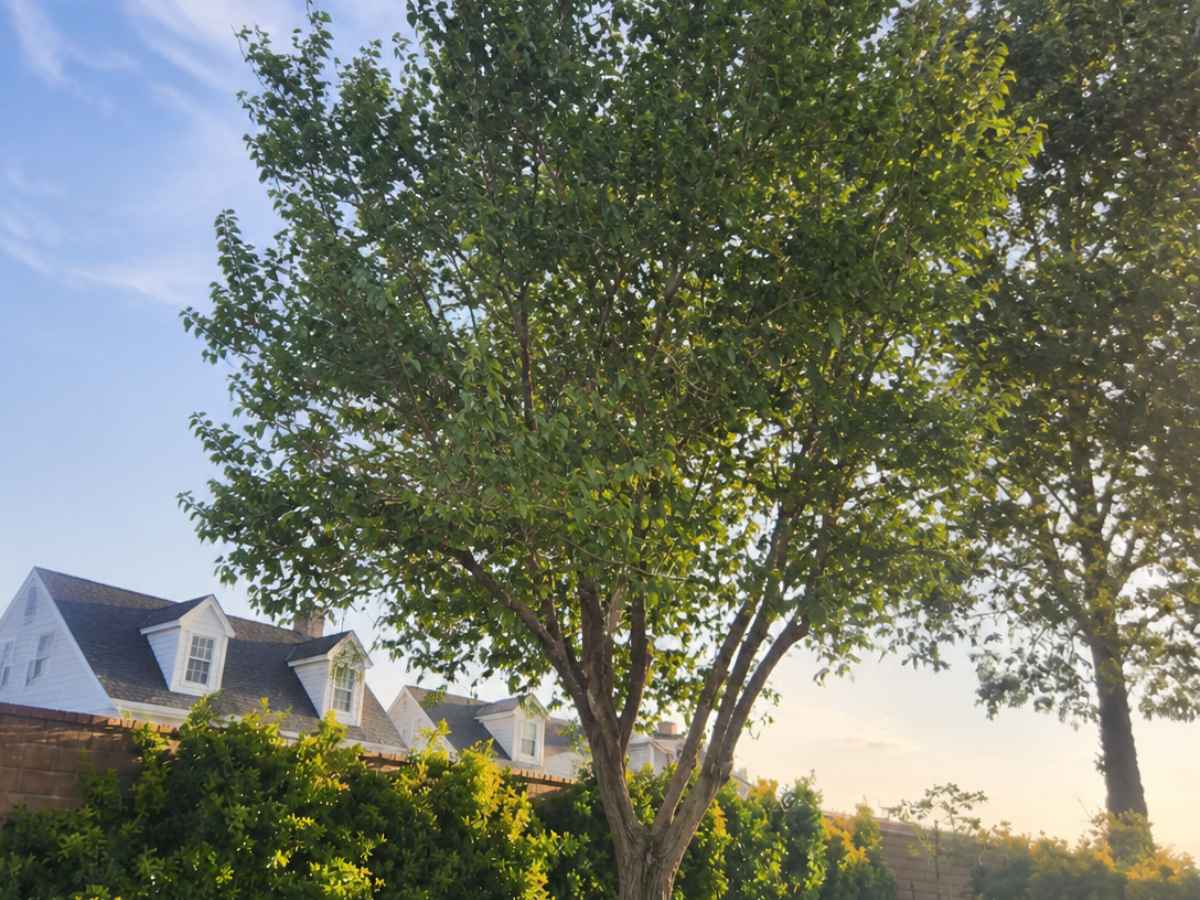
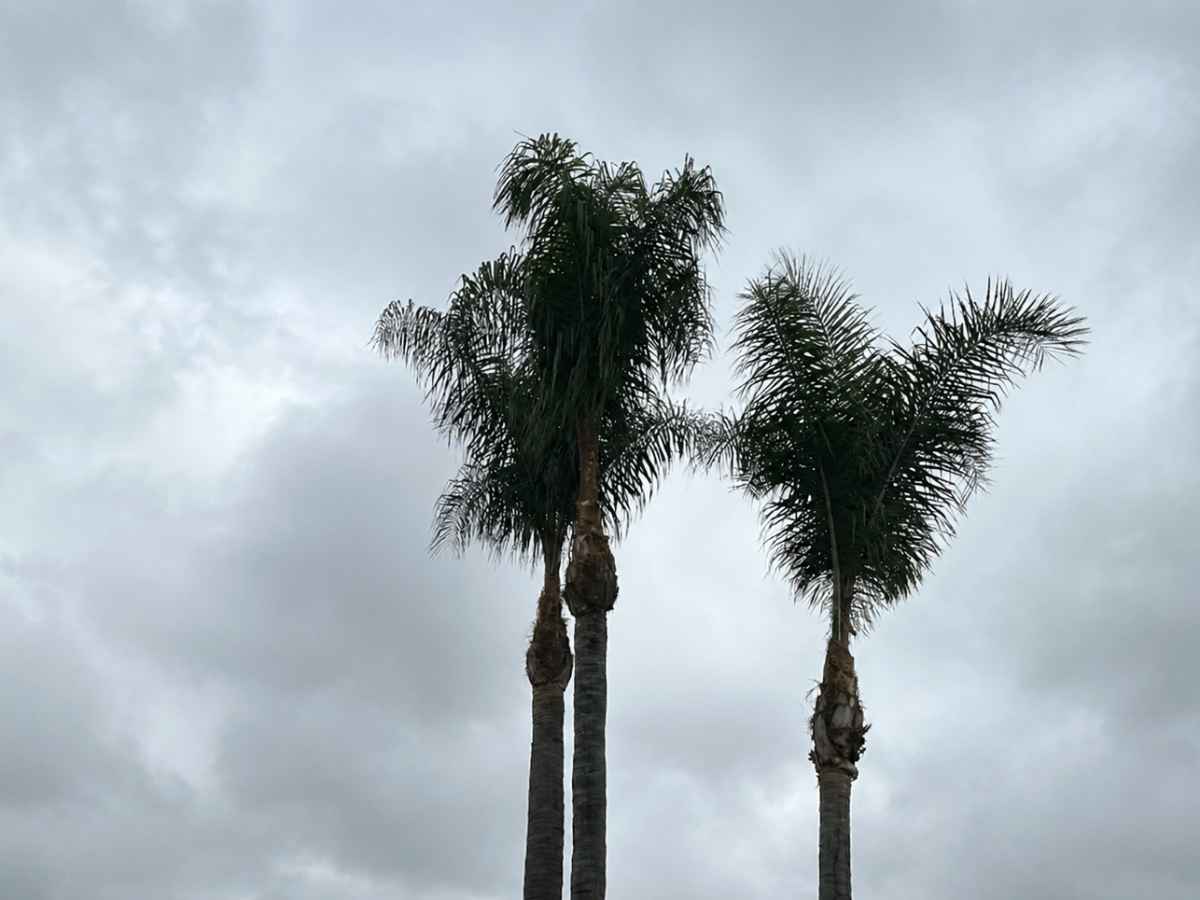
Los Angeles has a Mediterranean climate with effectively no summer rain, which means almost the entire urban forest here is irrigation-dependent. Most of the trees people think of as characteristic of the city — jacaranda, ficus, camphor, the fan palms — are exotics that persist because someone waters them. When irrigation is cut back during drought restrictions, the decline shows up a season or two later and is routinely misread as disease.
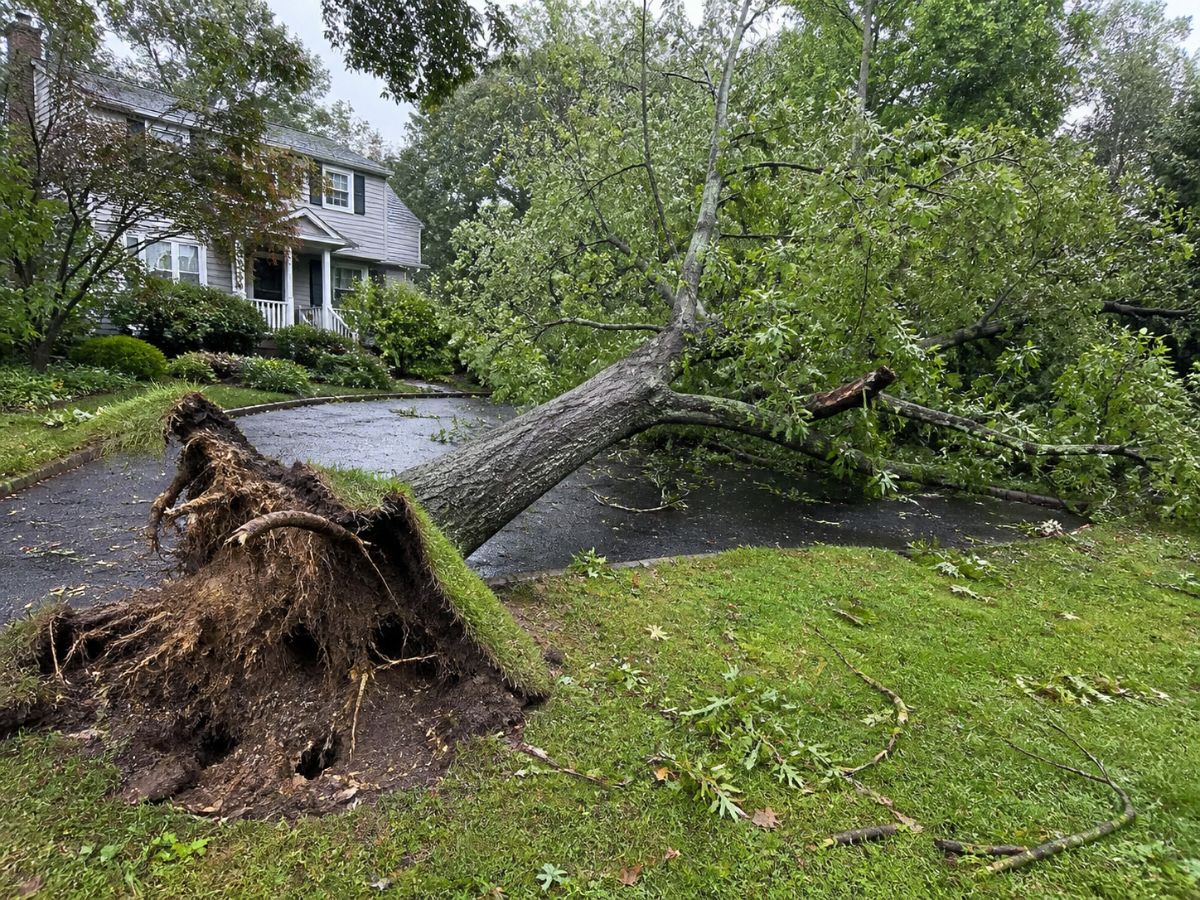
Santa Ana winds are the other defining pressure. Dry offshore winds arrive in autumn and early winter, when evergreen canopies are still in full leaf and the soil beneath them is soft from irrigation. That combination — full sail, loose footing, sustained wind from an unusual direction — is what levers trees over, rather than wind speed by itself.
Los Angeles also protects native trees more strictly than most California cities. California live oak and other indigenous oaks, western sycamore and Southern California black walnut fall under the city's protected tree ordinance from roughly four inches in diameter, and removal requires a permit from the Board of Public Works. Covered species and thresholds change, so confirm current requirements with the City before planning any work.
Tree service questions in Los Angeles
- Do I need a permit to remove a tree in Los Angeles?
- Quite possibly. The city's protected tree ordinance covers California live oak and other oaks indigenous to California, western sycamore and Southern California black walnut, generally once they reach about four inches in diameter, and removal or relocation requires a permit from the Board of Public Works. Street trees in the public right-of-way are handled separately from trees on your own lot. Thresholds and covered species do change, and neighbouring cities inside LA County set their own rules, so verify before scheduling any work.
- Why do trees fail in Santa Ana winds rather than in winter storms?
- Santa Ana events blow dry and hard from an inland direction, which is close to the opposite of the prevailing wind most trees have grown to resist. They also arrive in autumn, when broadleaf evergreens carry a full canopy and irrigated soil is still soft. A tree braced against onshore wind, presenting full sail, standing in loose soil, is being loaded in the one direction it is least prepared for.
- What are the shot hole borers I keep hearing about?
- Two invasive ambrosia beetles, the polyphagous and Kuroshio shot hole borers, which tunnel into wood and introduce Fusarium fungi that block the tree's water-conducting tissue. The complex is called Fusarium dieback. They are established in Los Angeles County and reproduce in roughly 60 tree species, with California sycamore and box elder among the more heavily affected. Look for many small round entry holes with staining or sugary exudate around them, and get a professional opinion early — advanced infestations are not reversible.
- How should I water an established tree here?
- Deep and infrequent beats little and often. Water at the outer edge of the canopy rather than against the trunk, and let the top few inches dry between soakings. Under drought restrictions, prioritise mature trees over lawn: turf recovers in one season, and a forty-year-old shade tree does not.